
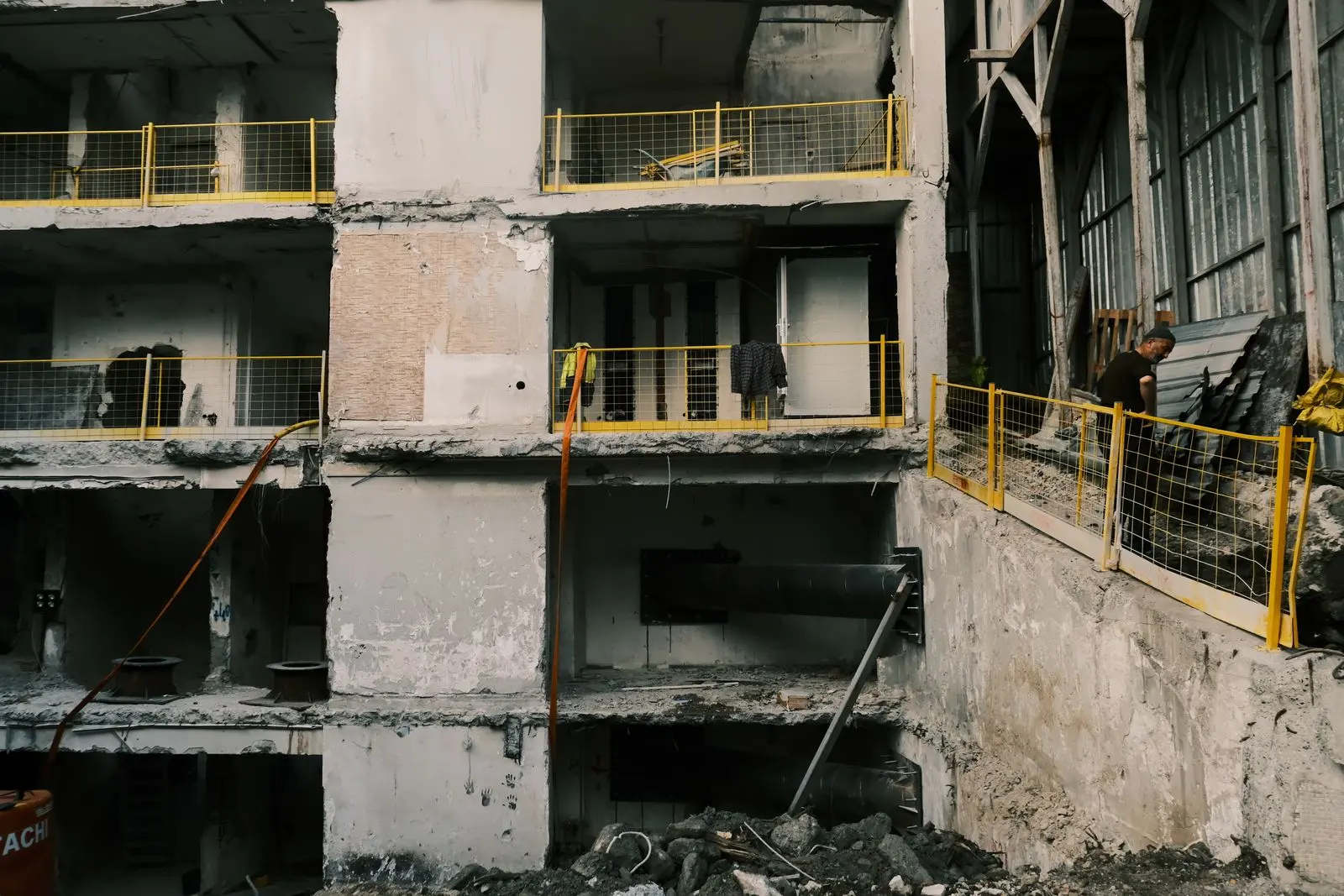
Sunnyvale tenant strip-outs
Commercial Interior Demolition in Sunnyvale
Tenants turn over constantly in Sunnyvale, from R&D suites off Mathilda Avenue to restaurants on Murphy Avenue. We strip the old build-out back to shell so the landlord or next tenant can start their improvements.
Office and R&D Strip-Outs in Sunnyvale
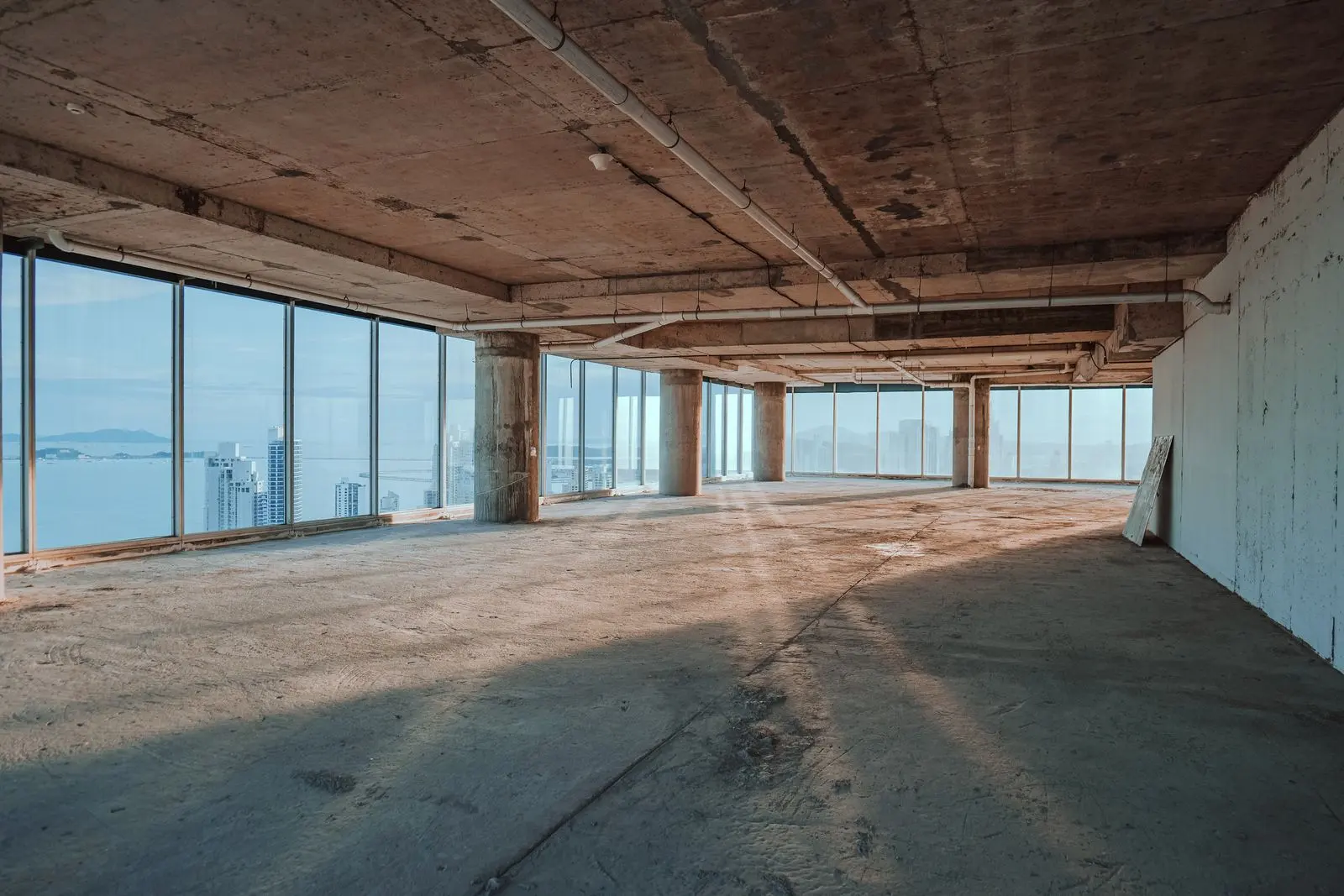
A typical office or R&D suite in Sunnyvale has demising walls, private offices, a break room, restrooms, a server room, ceiling grid and lights, carpet, and raised floor in older equipment areas. A return-to-shell strip-out removes everything the lease or the new design says goes, and leaves the core, the base building systems and the shell intact.
Lease terms decide the scope. Some landlords want the space back to bare concrete and open trusses; others want ceilings and restrooms left in place. We work from the landlord's requirements or the architect's demolition plan, mark what stays on site before we start, and walk it with the property manager. Abandoned data cabling above ceilings and under floors is pulled out with the rest.
Furniture and cubicle systems are a separate question. Some landlords expect the tenant to remove them before our work starts, and some include them in the strip-out scope. Systems furniture in decent condition often has resale or donation value, so we ask early whether it should be dismantled for reuse or simply broken down and recycled as steel and particleboard.
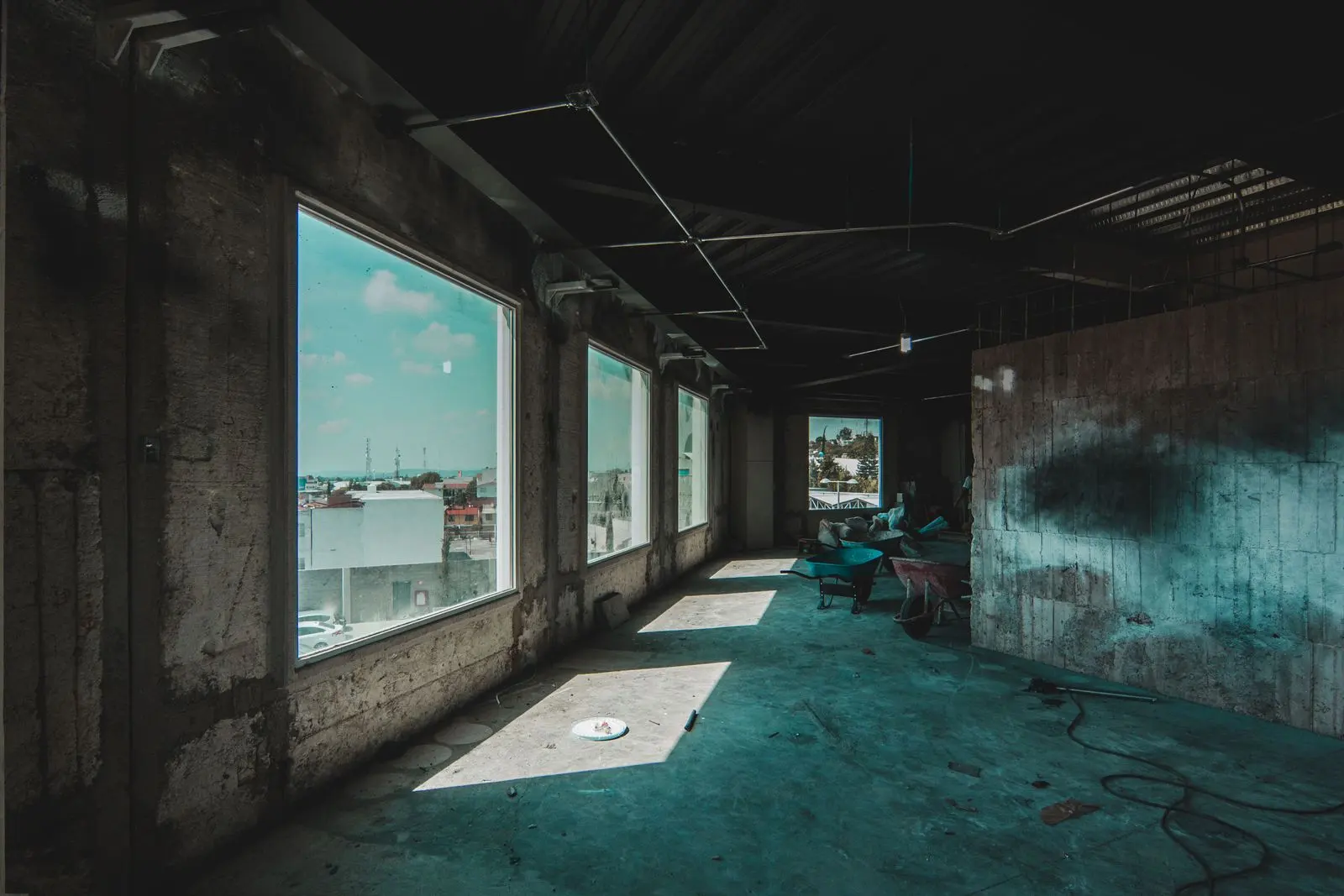
Lab and Clean Room Demolition in Peery Park and Moffett Park
Lab tenants in Sunnyvale leave behind casework, fume hoods, gas cabinets, process piping, epoxy floors and clean room walls and ceilings. Before any of that is touched, the tenant has to decontaminate and close out their hazardous materials use, usually with their environmental consultant and the city. We start after that closure is documented.
Clean room panels, raised floor pedestals, ductwork and stainless steel casework all have value as scrap or for reuse. We separate them as they come out. Specialty systems such as process gas lines and acid waste piping are confirmed empty and cleared by the right trade before we cut them.
Restaurant and Storefront Demo on Murphy Avenue
Downtown restaurants and shops sit in older buildings with shared walls, basements in some cases, and limited rear access. Clearing out a restaurant means the hood and duct, walk-in cooler, grease interceptor piping, bar, booths and a lot of tile. A plumber caps the gas and a refrigeration tech pulls the refrigerant before our crew lifts anything.
On historic Murphy Avenue the storefronts and facades themselves are often protected. Interior work has to stay inside the space without damaging the front or the neighboring tenants. We cut by hand near party walls, protect storefront glass and transoms, and carry debris out the back during the hours the city and property owner allow.
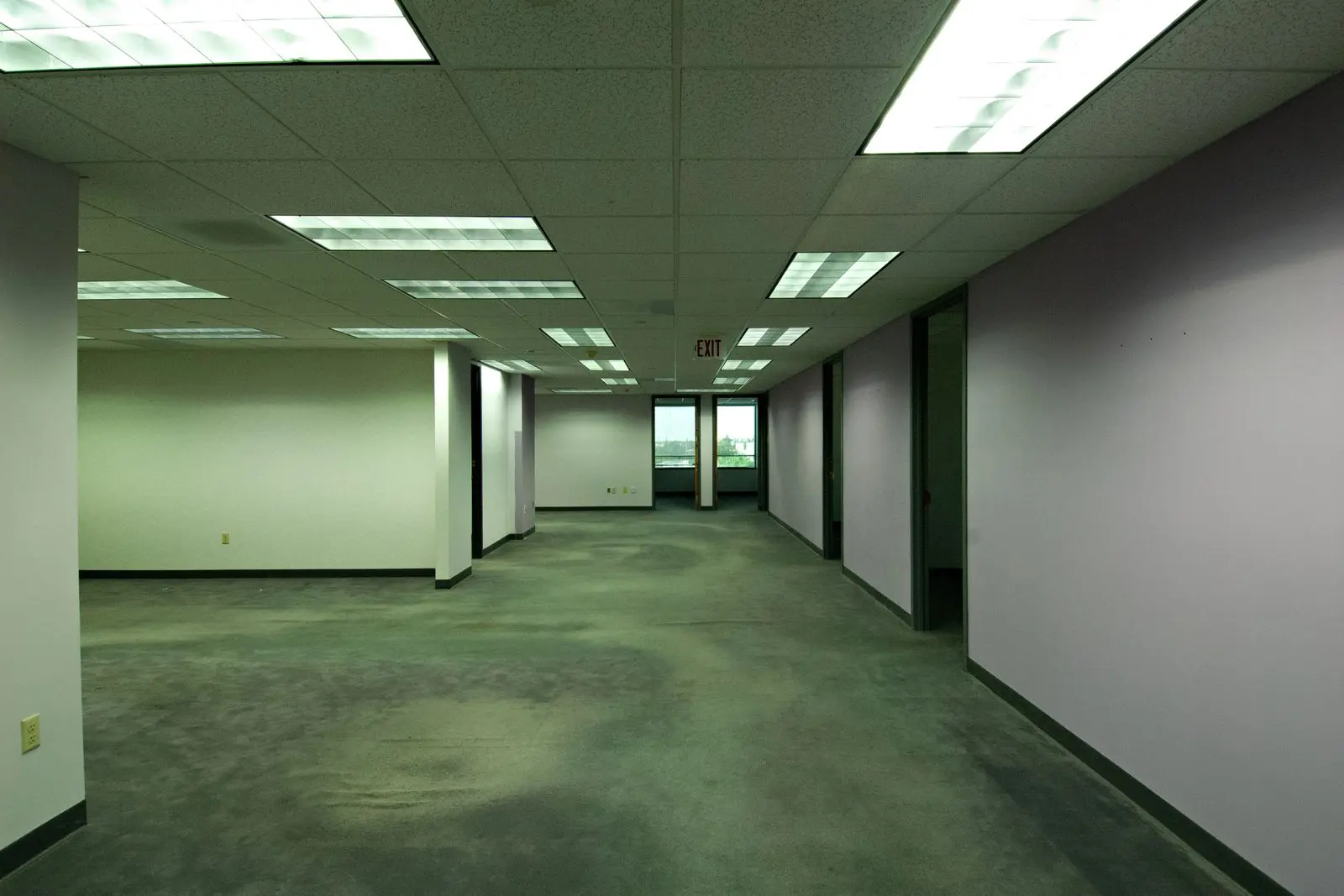
Asbestos, Permits and Working in Occupied Buildings
Commercial interior demolition counts as renovation under air district rules, so the suite is surveyed for asbestos up front, and a certified abatement contractor clears whatever tests positive while our crew waits. Many Sunnyvale suites from the 1970s and 1980s turn up asbestos in spray fireproofing, vinyl tile and its mastic, or the mud on drywall seams. The demolition is usually part of the tenant improvement permit from the city.
Most strip-outs happen with other tenants open in the same building. We protect common corridors and elevators, use freight access and loading docks where available, keep noise and dust off occupied floors, and work nights or weekends when the building requires it.
Inside a Sunnyvale Tenant Strip-Out
Scope From the Lease or Demo Plan
We work from your landlord's return condition or the architect's demolition plan and mark everything staying before we start, so nothing that should remain gets removed.
Ceiling, Floor and Cabling Removal
Partitions, ceiling grid, lighting, carpet, tile, raised floors, casework and abandoned cabling come out, leaving a clean shell ready for new tenant improvements.
Occupied Building Demo Protection
Corridor and elevator protection, after-hours work, dust barriers and quiet methods keep neighboring tenants in business while the suite is gutted.
Salvage and Scrap Separation
Steel studs, ductwork, stainless casework, clean room panels and furniture are separated for scrap or reuse, which reduces what goes to landfill.
Commercial Strip-Outs: Job Site Photos
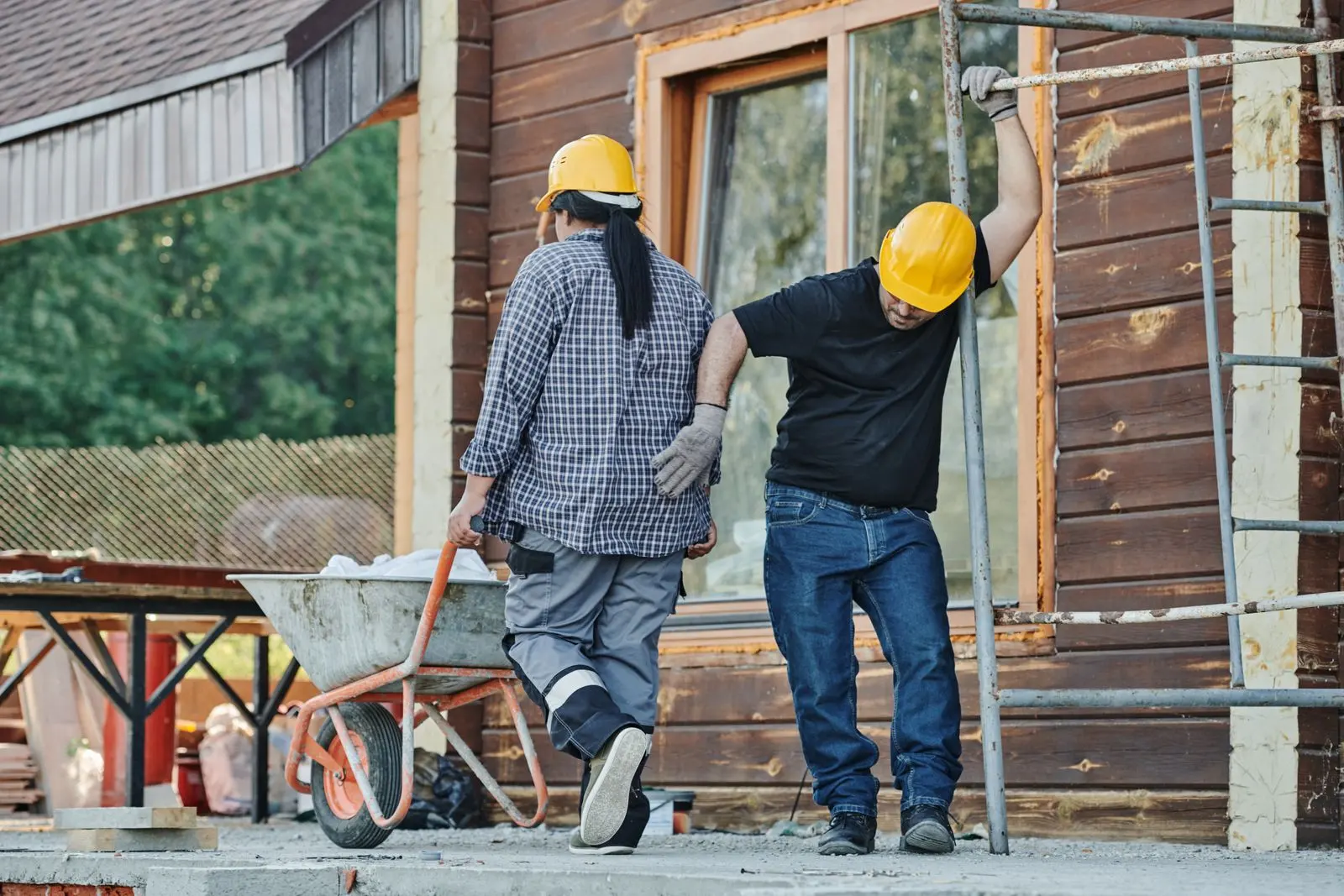
Commercial Interior Demolition Across Sunnyvale
Demolition FAQs
Sunnyvale Tenant Strip-Out FAQ
Is a separate permit needed for a suite strip-out?
Usually the demolition is covered by the tenant improvement permit. A stand-alone strip-out may need its own permit. We check with the city based on the scope.
Is after-hours or weekend demo possible?
Yes, when the building and the city's noise rules allow it. Many Sunnyvale office buildings require loud work after hours. We schedule around your property manager's rules.
Which factors drive the price of a strip-out?
Square footage, how far back to shell the lease requires, ceiling height, raised floors, labs or kitchens, asbestos findings, and after-hours requirements. Loading access matters too.
Who handles lab decontamination before you start?
The tenant and their environmental consultant handle decontamination and hazardous materials closure. We begin once that work is documented and the space is released.
How many days does a suite strip-out usually run?
It depends on square footage, the return condition, and whether we are limited to after-hours work. A small office suite can be quick, while a lab floor with clean rooms takes longer. We set a schedule after walking the space.
Demolition quote
Scope Your Sunnyvale Strip-Out
Describe the suite, its size and the return condition in the lease. We reply within 24 hours and ask for the floor plan or demolition drawings.
- Permits
- Demolition
- Haul-off