
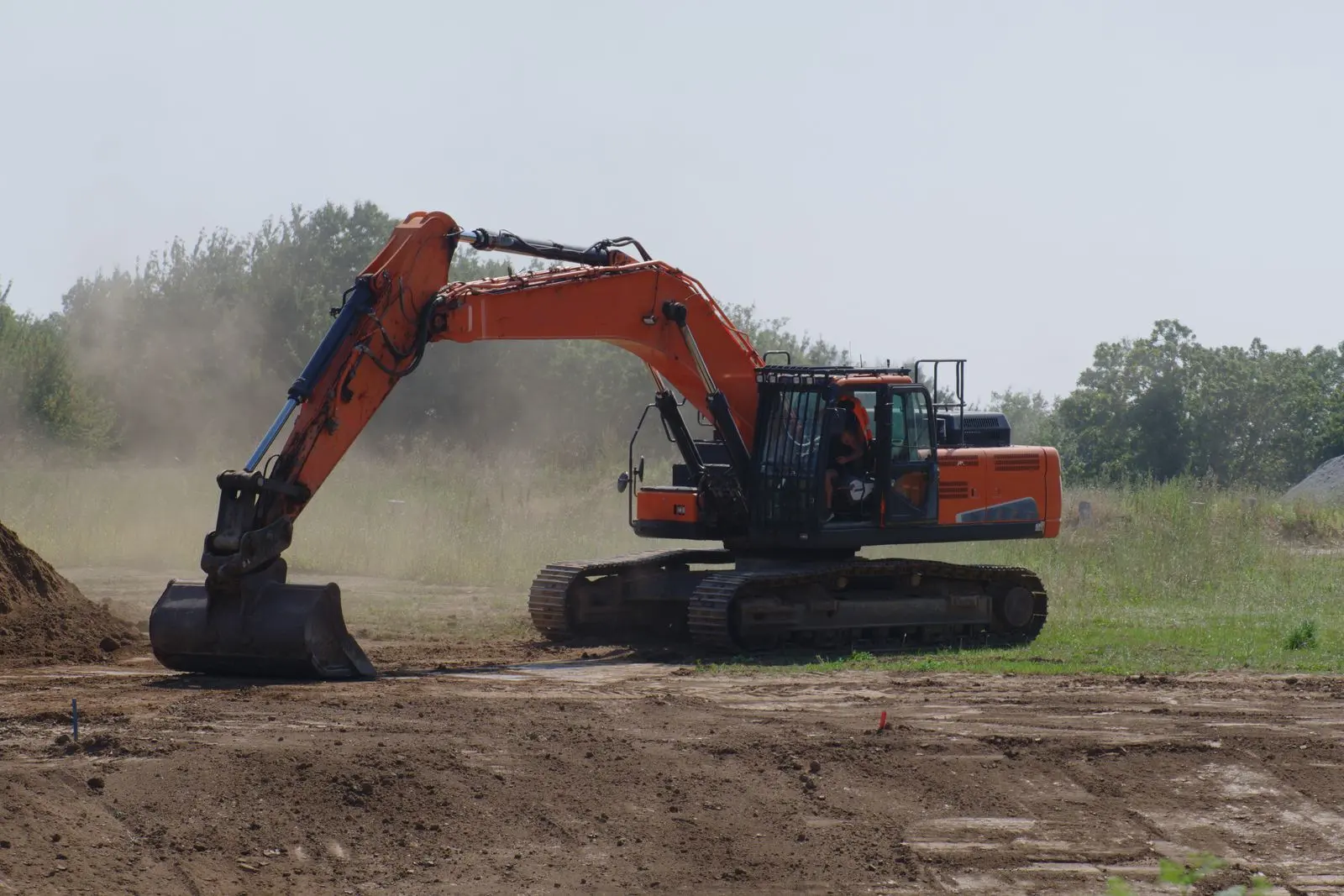
House Demolition
Full teardowns of Sunnyvale ranch homes and Eichlers, including slab and footings, so your builder starts on a clean, graded lot.
House Demolition detailsDemolition contractor for Sunnyvale and Santa Clara County
Request a demolition quote →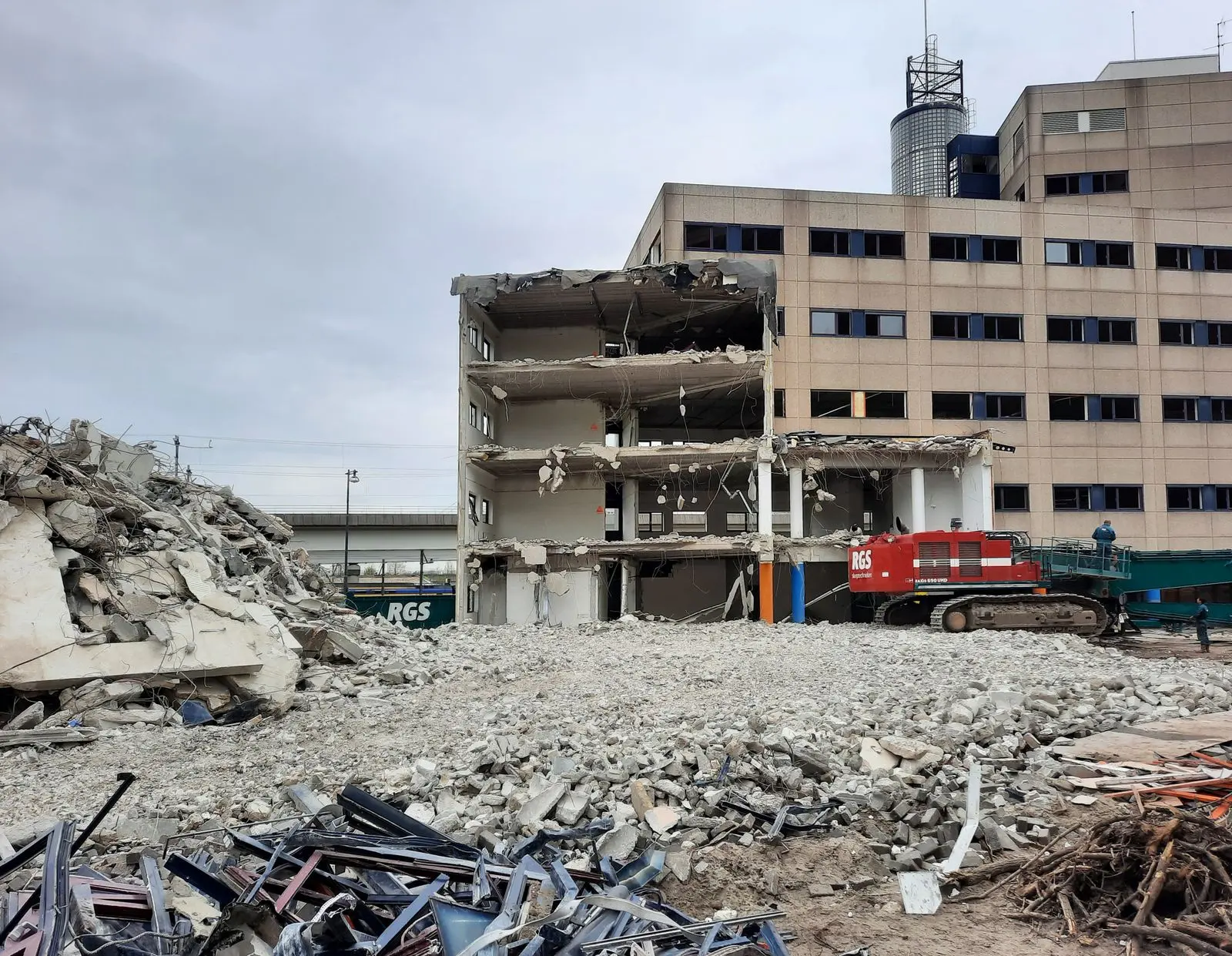
Local teardown and site crew
We take down Sunnyvale houses, garages, pools and old R&D buildings, then leave a clean, graded pad for whatever gets built next. Most of our work here starts with a 1950s ranch house and ends with a lot ready for a two-story rebuild.
Demolition services in Sunnyvale
From a garden shed in Raynor Park to a three-story office building off Java Drive, these are the demolition and site services we run across Sunnyvale. Each one includes the permit, utility and recycling steps that apply to it, so the scope you get from us is the scope you pay for.
Full teardowns of Sunnyvale ranch homes and Eichlers, including slab and footings, so your builder starts on a clean, graded lot.
House Demolition details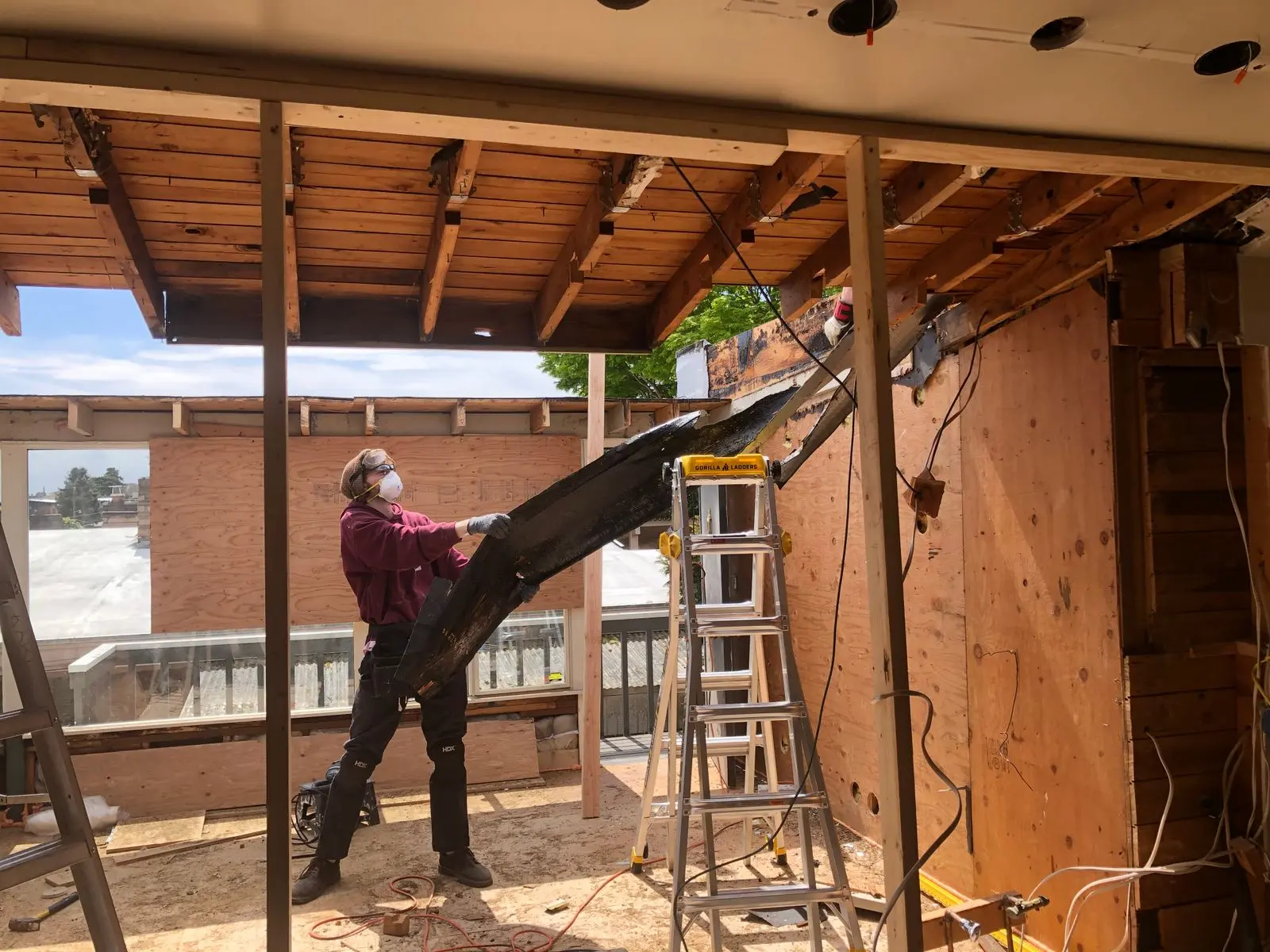
Gutting rooms or a whole floor down to studs for a remodel, with walls, ceilings, flooring and old wiring removed and the rest of the house protected.
Interior Demolition details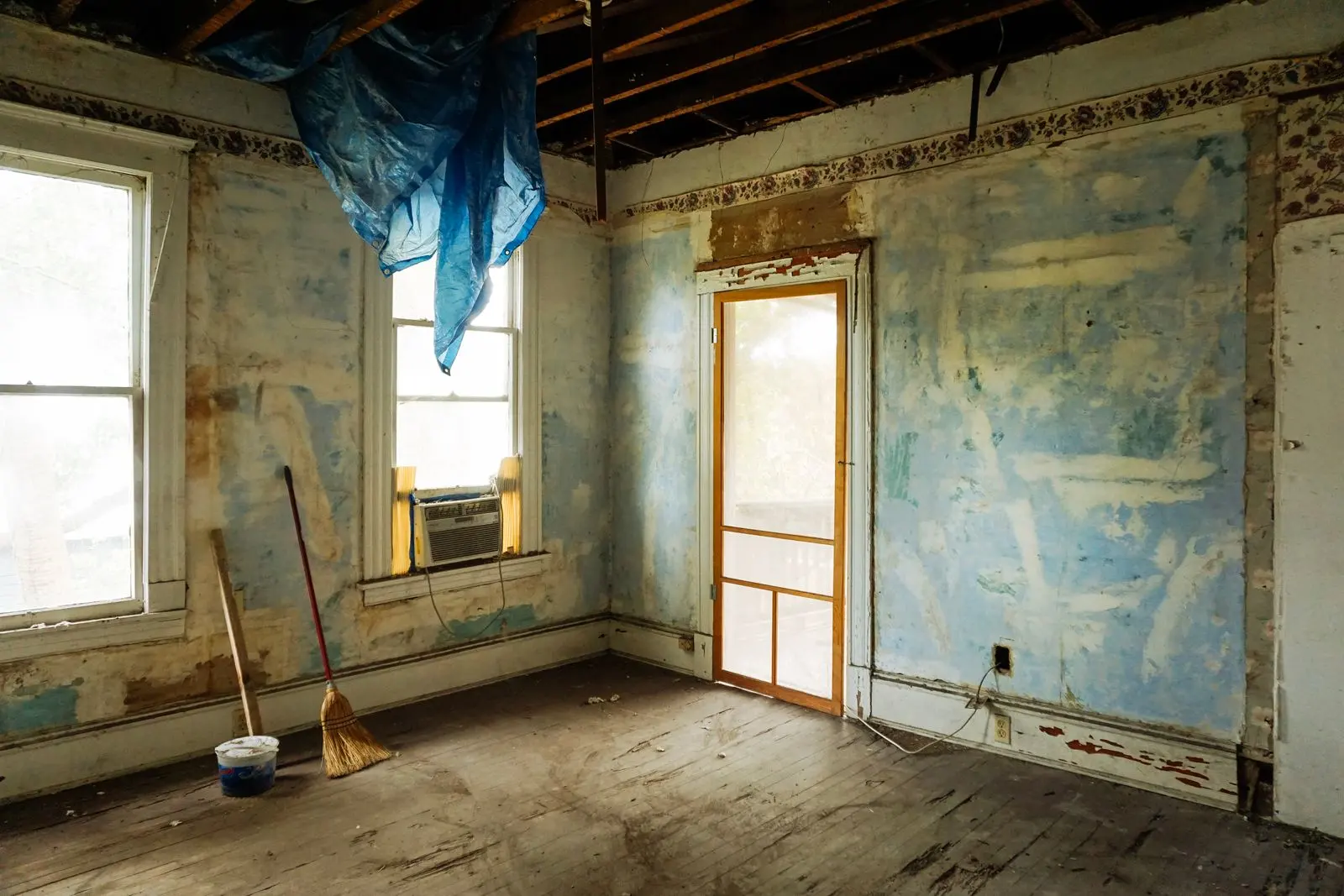
Cabinets, counters, tile, soffits and appliances removed for a new kitchen, with plumbing and gas capped safely before anything comes out.
Kitchen Demolition details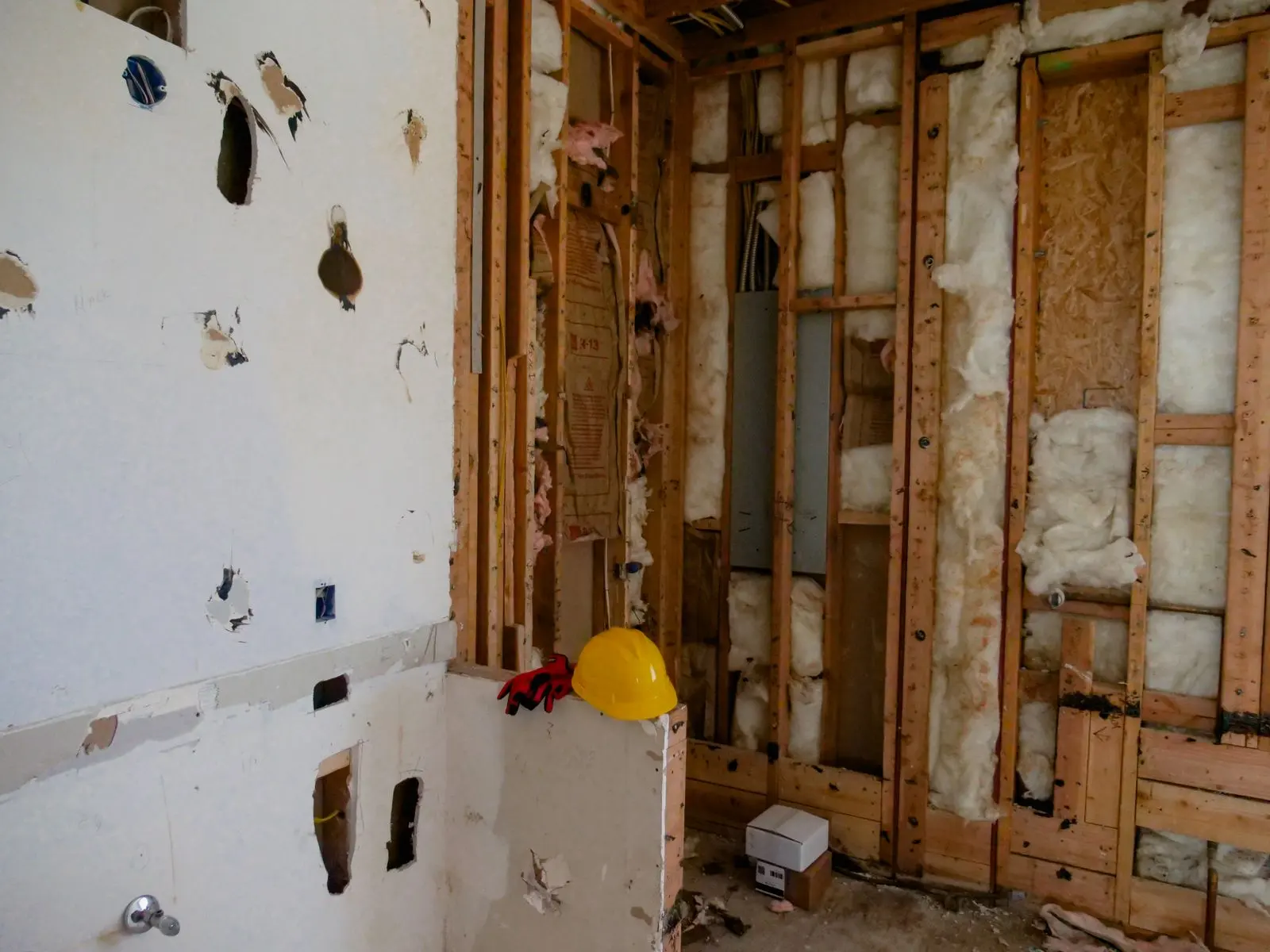
Tub, shower pan, tile, vanity and subfloor tear-outs in Sunnyvale baths, done carefully when the bathroom shares walls with rooms you are keeping.
Bathroom Demolition details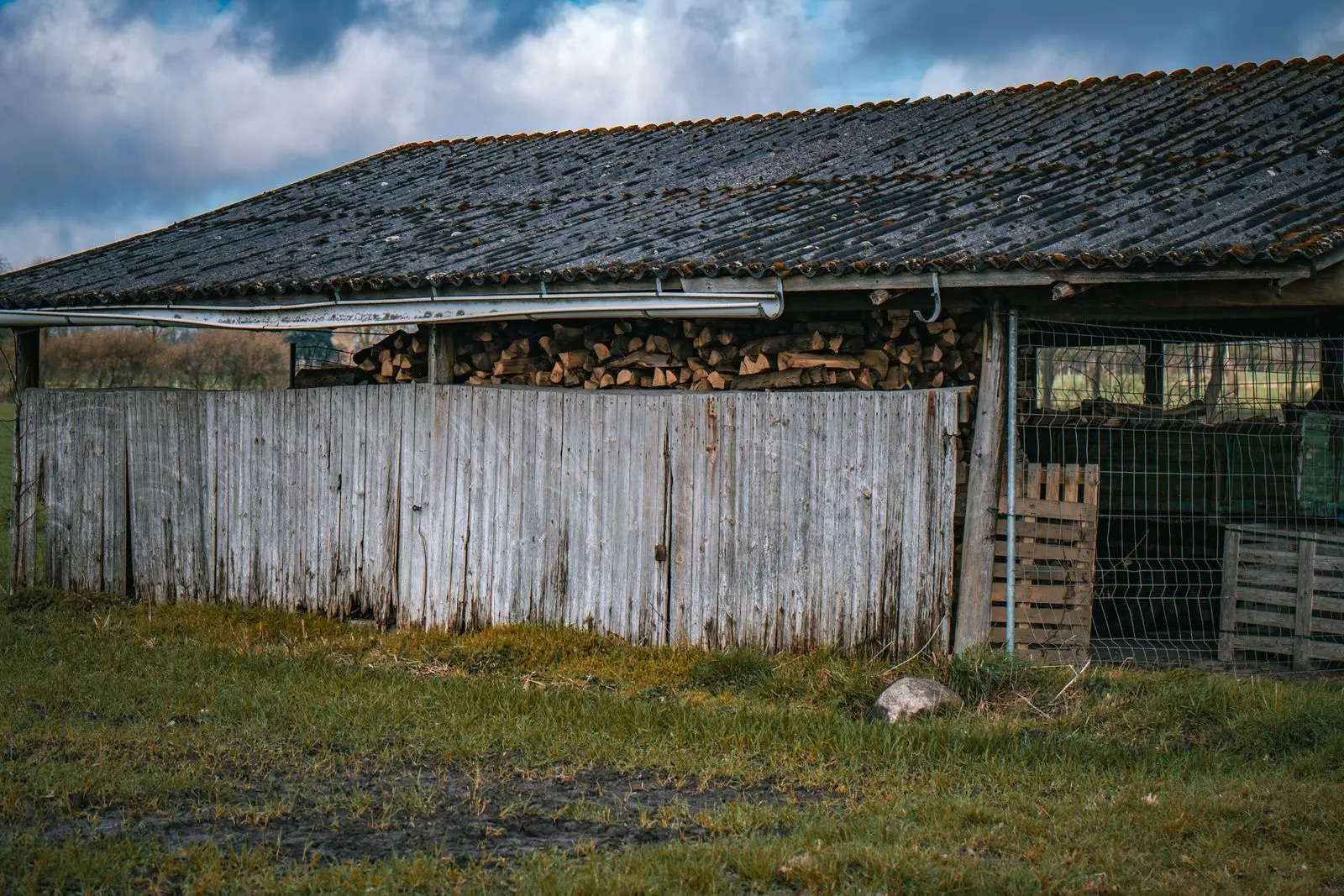
Detached garages, sheds, carports and old workshops taken down and hauled away, including the slab if you want the backyard space back.
Garages and Sheds details
Old backyard pools taken out or filled in place: the shell broken, the hole backfilled and compacted in layers, and the yard left level for lawn or an addition.
Pool Removal details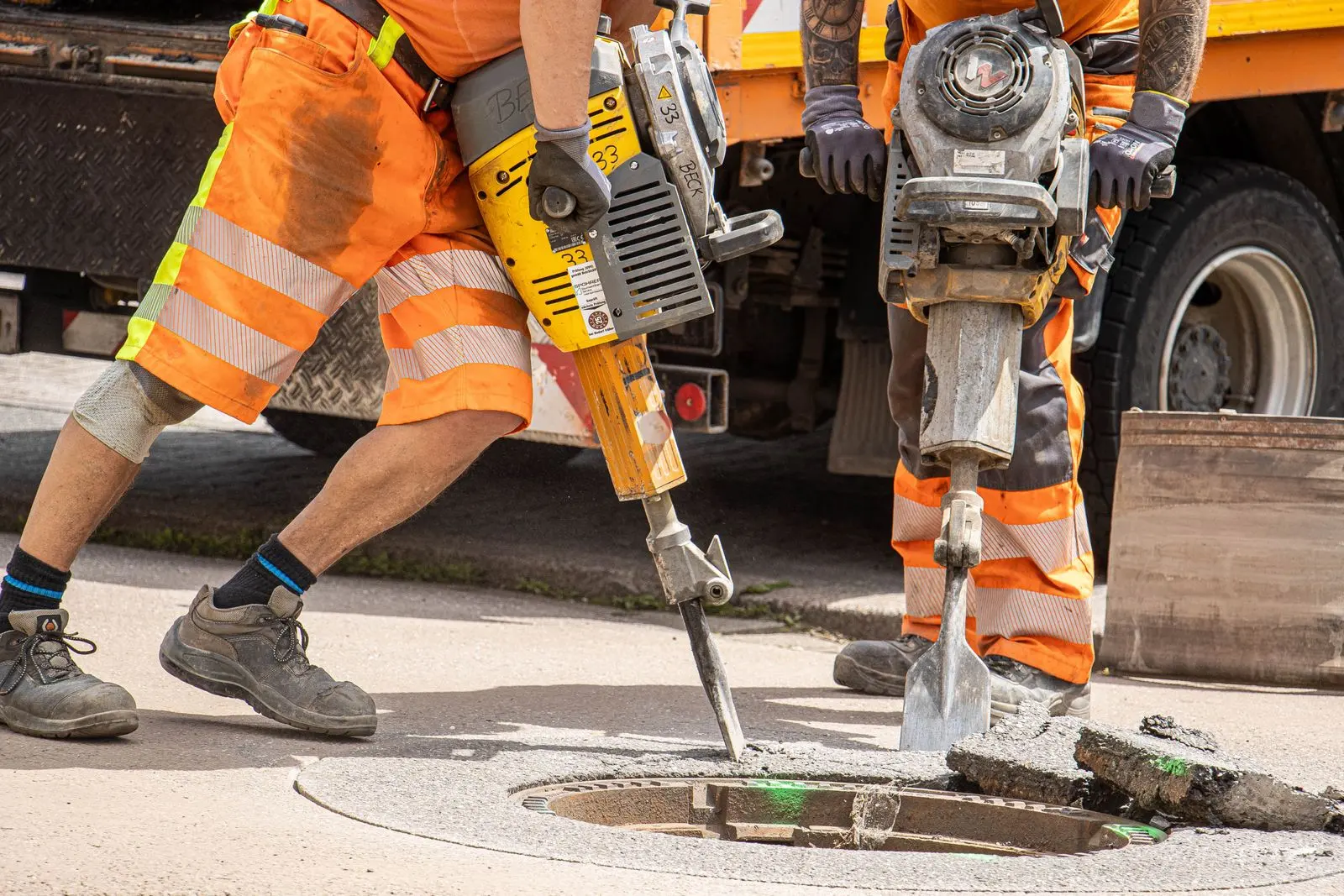
Driveways, patios, walkways, foundations and short retaining walls broken out and hauled to concrete recycling instead of landfill.
Concrete Removal details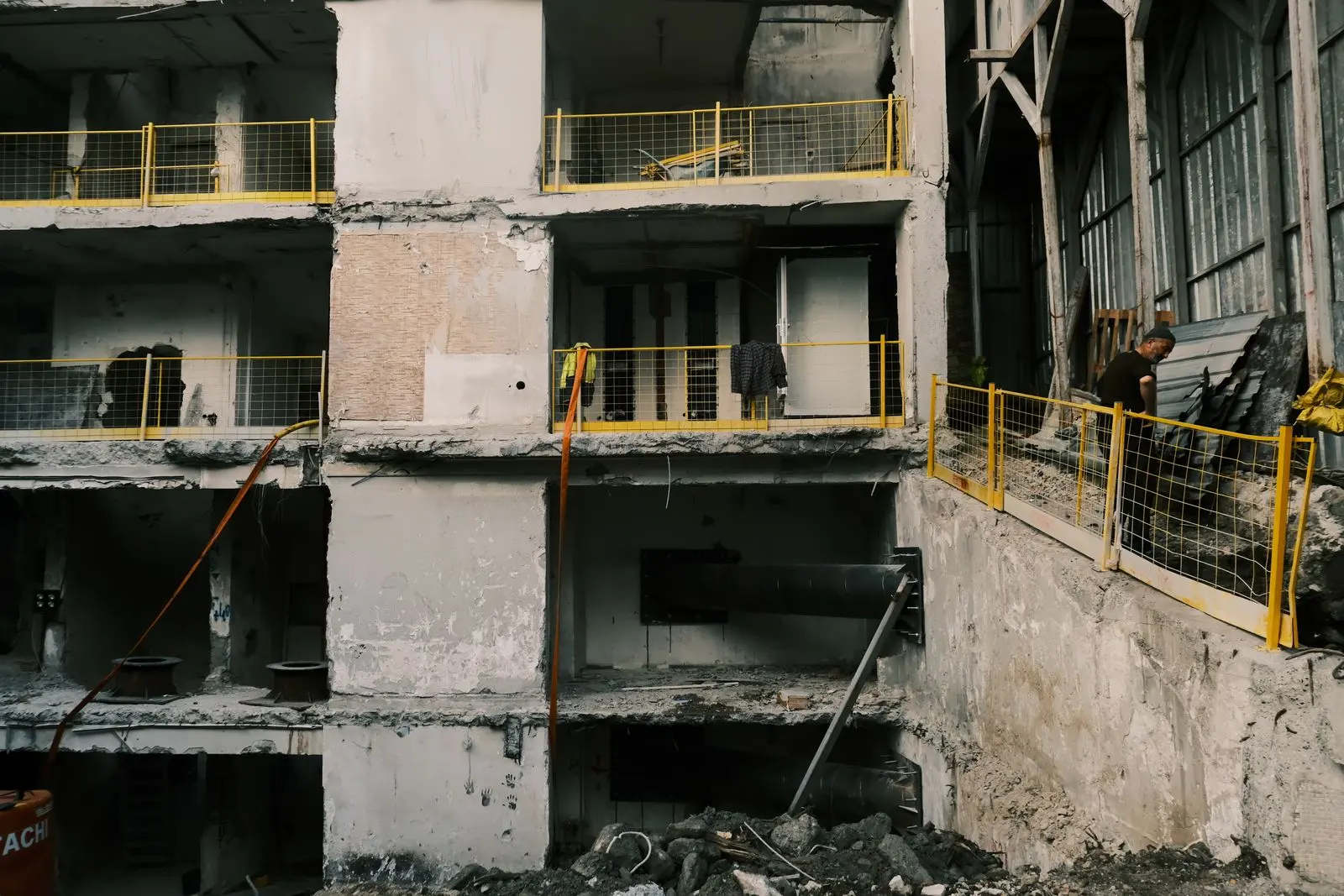
Tilt-up R&D buildings, offices and small retail structures demolished in Moffett Park, Peery Park and along El Camino Real.
Commercial Demolition details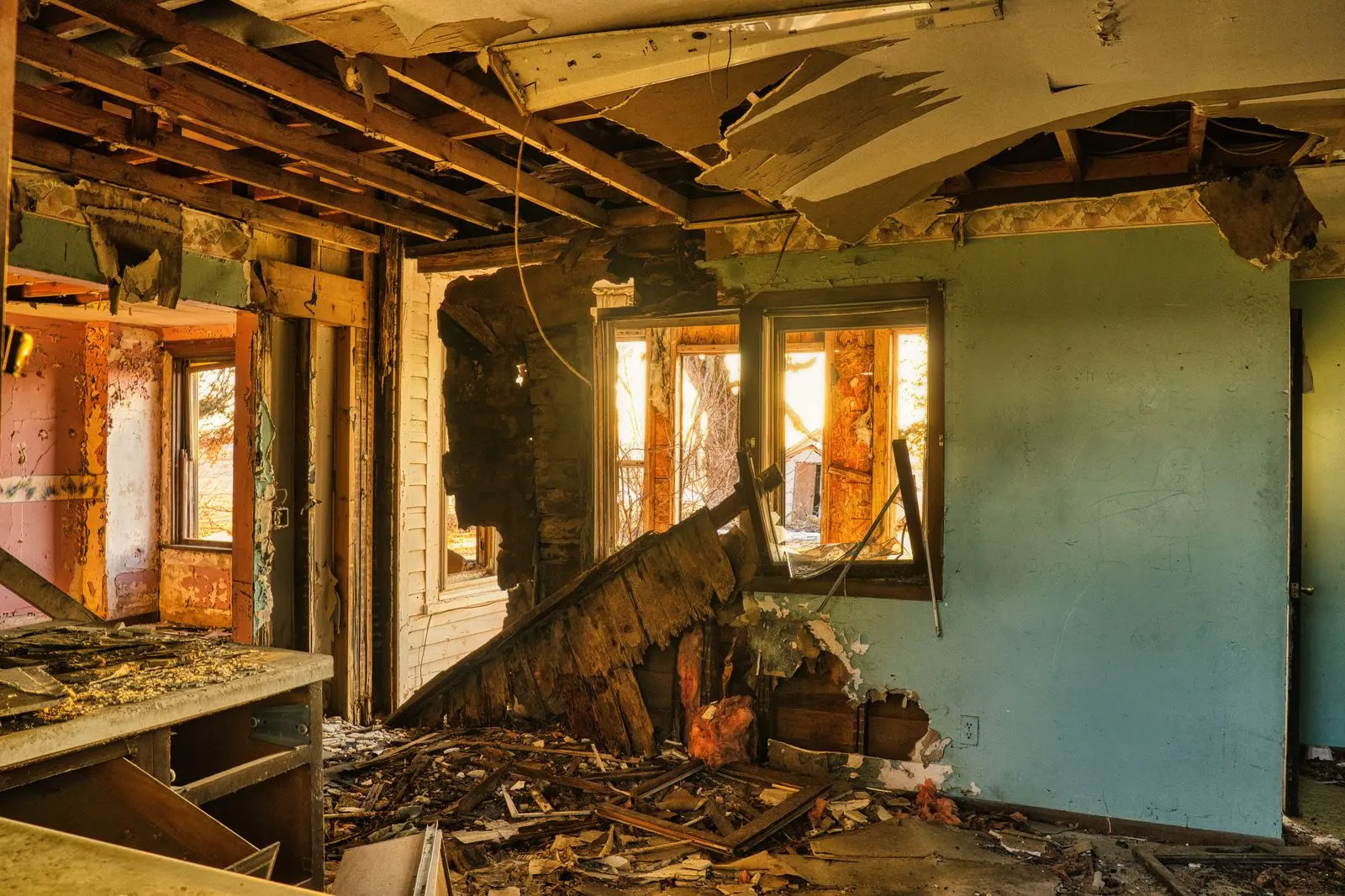
Tenant strip-outs for offices, labs, restaurants and Murphy Avenue storefronts, taken back to a clean shell for the next build-out.
Commercial Strip-Outs details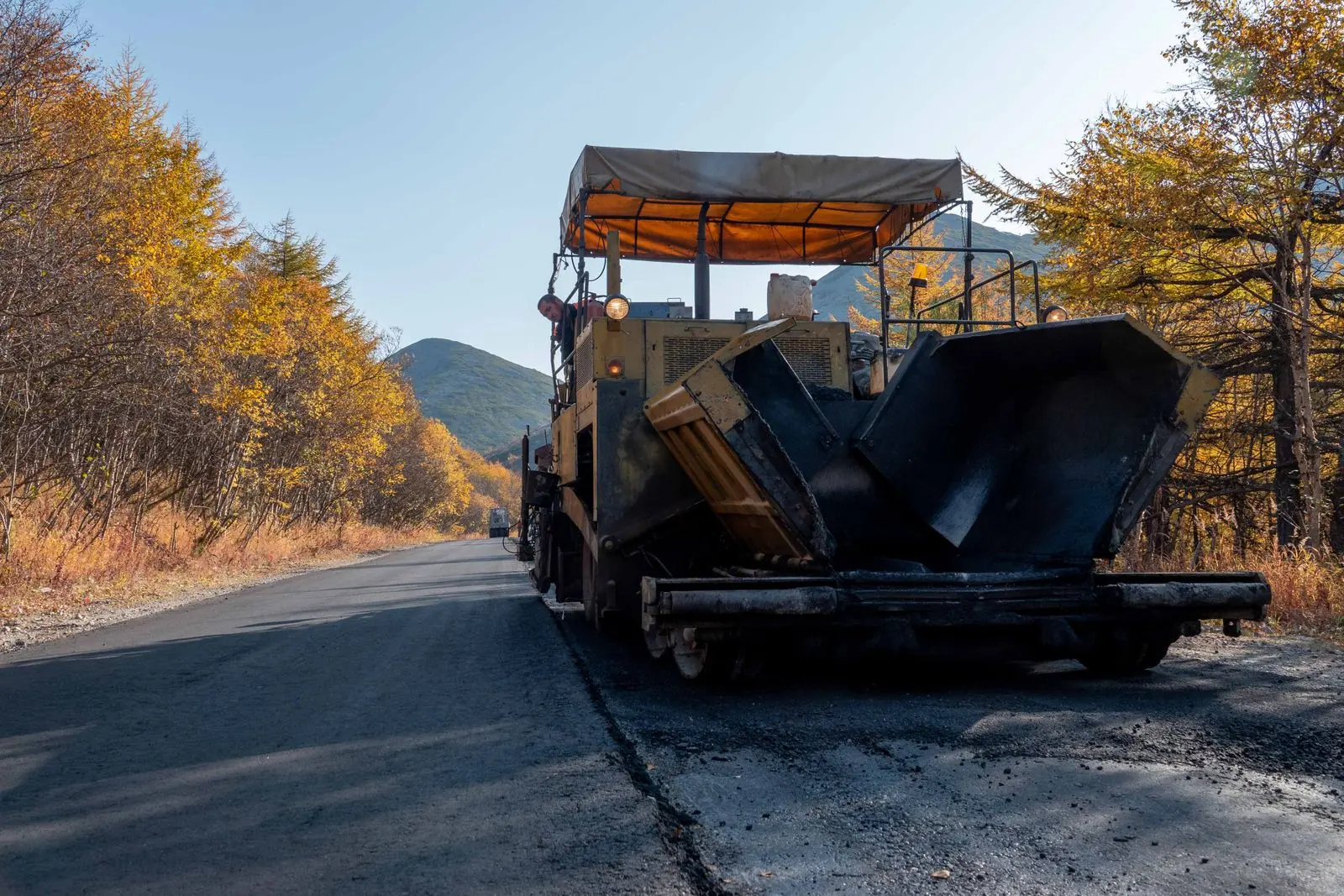
Parking lots and long driveways ground or broken out, with the asphalt sent for recycling and the base left ready for new paving or building.
Asphalt Removal details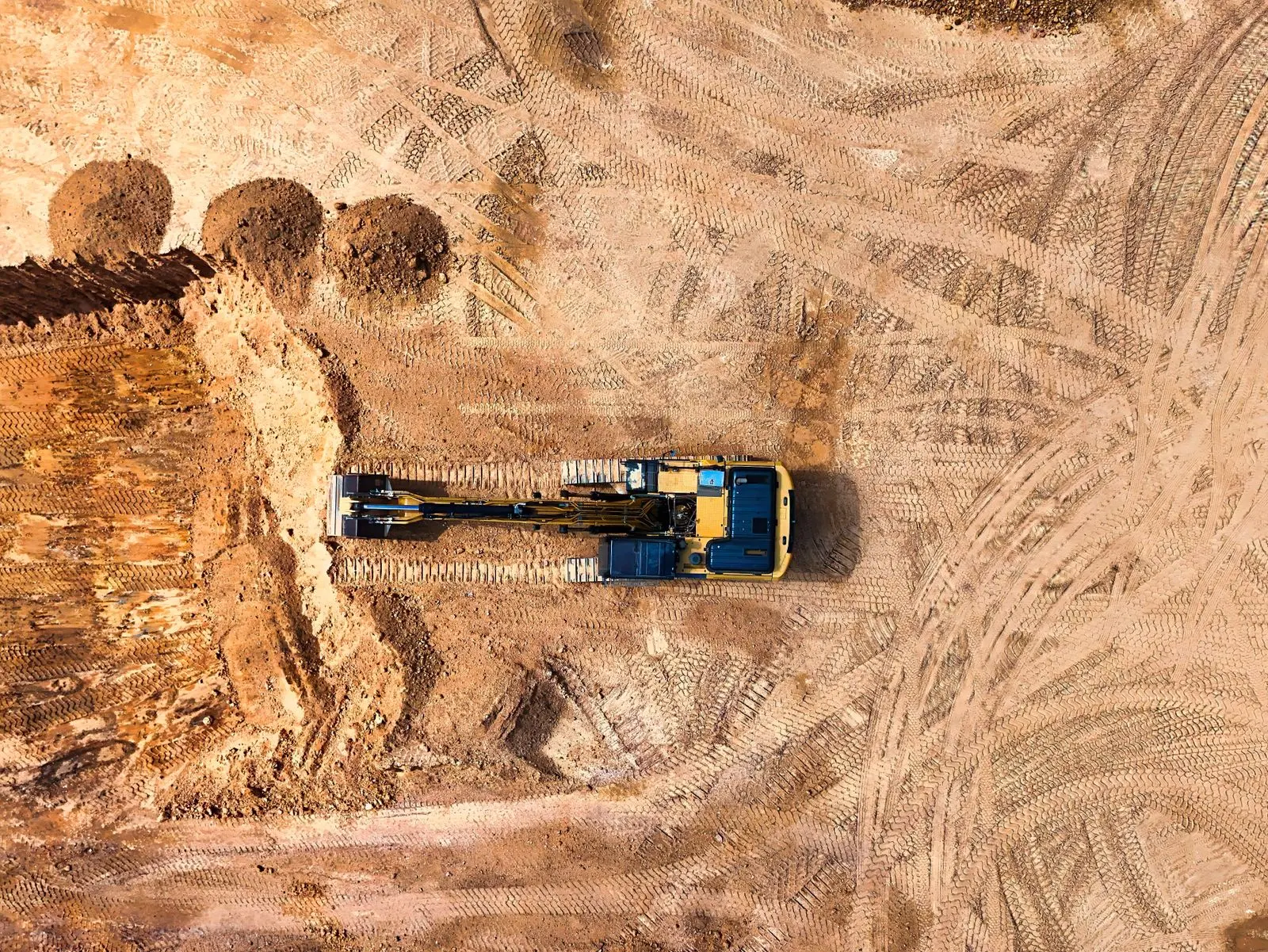
Bare parcels and post-teardown lots cleaned up: hedges, roots, buried pipe and leftover rubble pulled, protected trees fenced, and the pad rough graded for construction.
Lot Clearing details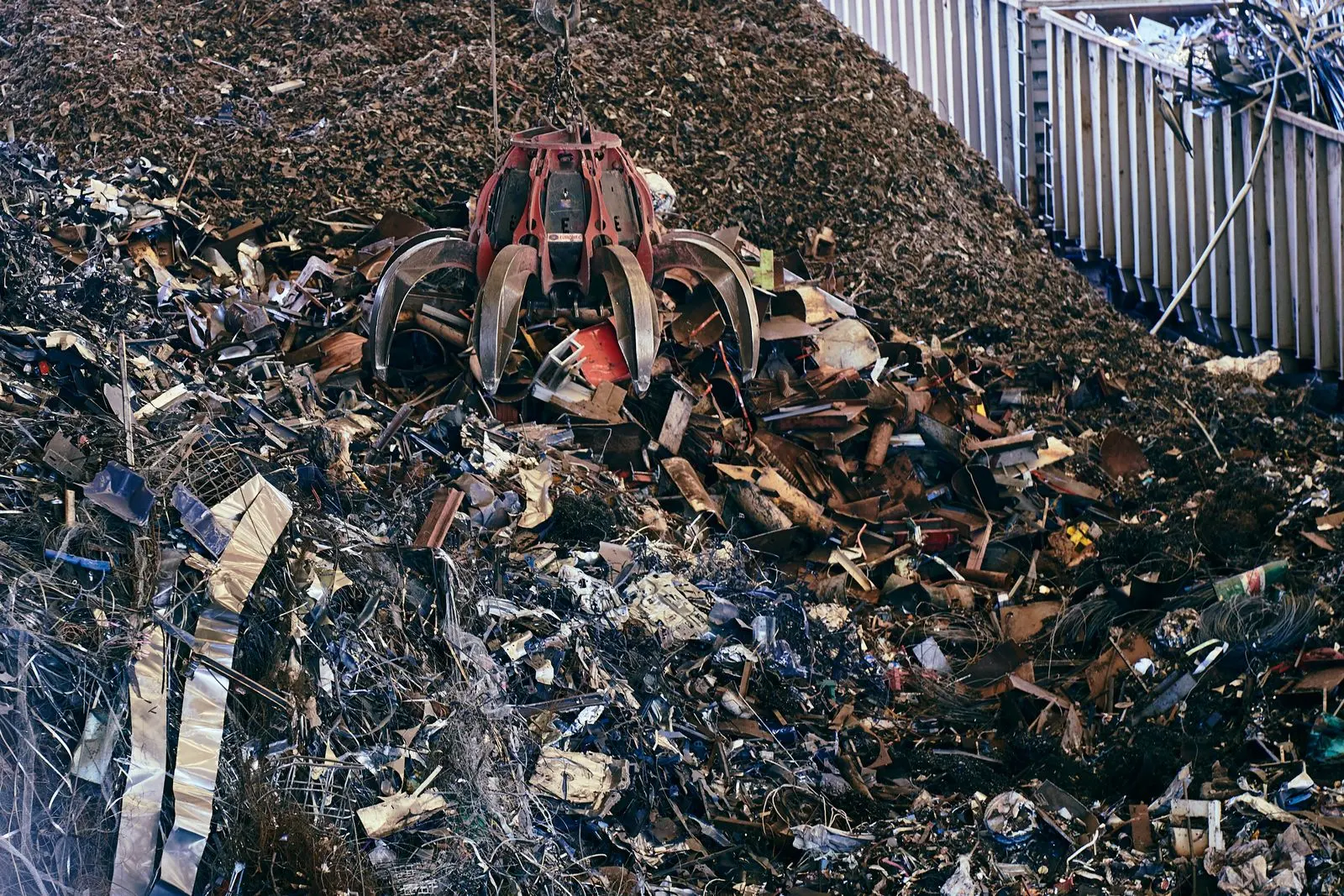
Hauling and sorting of demolition debris and remodel waste, with metal, wood and concrete separated to meet construction recycling rules.
Debris Removal details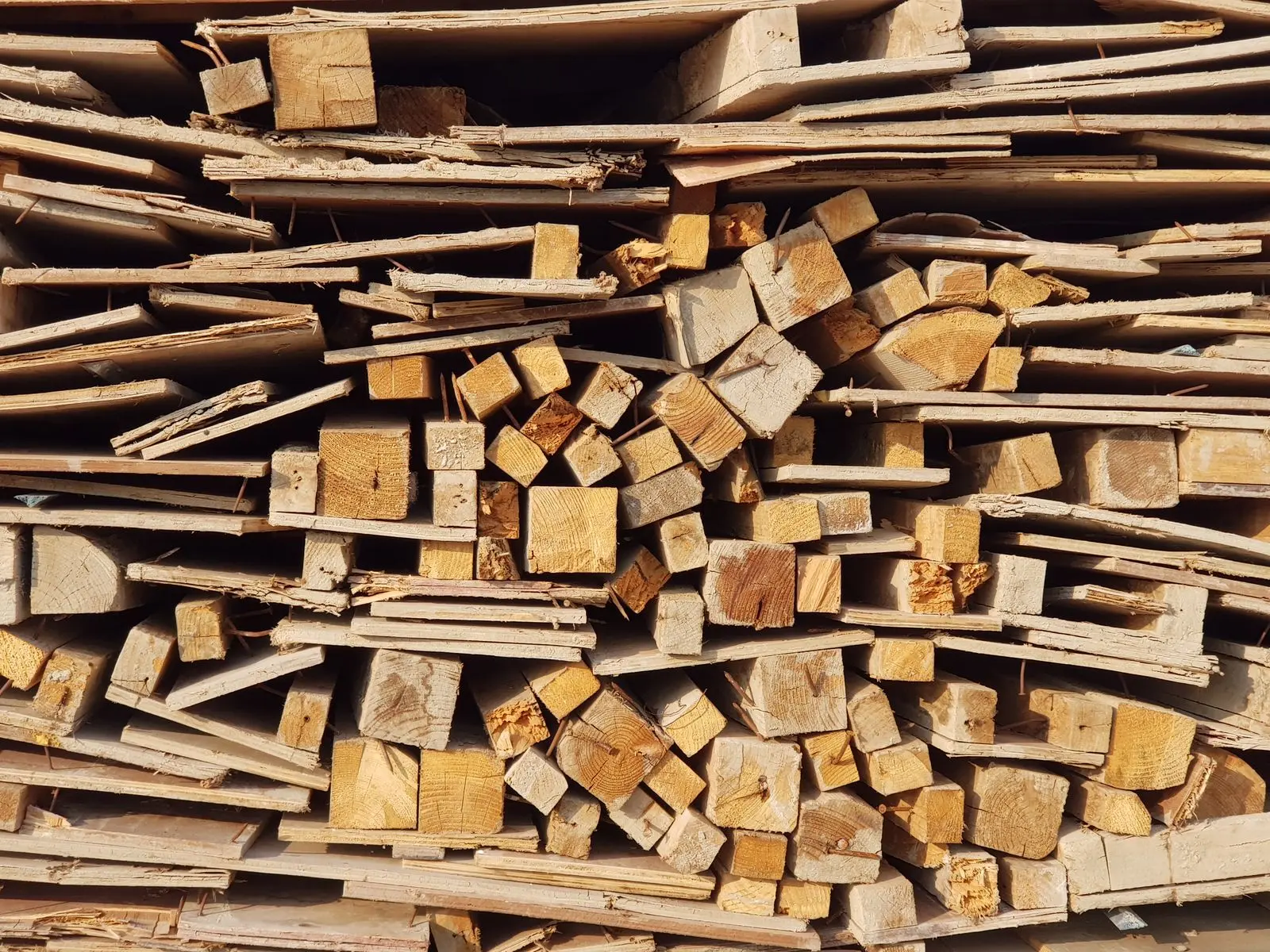
Hand dismantling for owners who want to salvage old-growth lumber, beams, doors and fixtures from a Sunnyvale house before it comes down.
Deconstruction detailsDescribe what has to come down or come out in Sunnyvale. We will reach out, ask the right questions and put a scope and quote together.
Sunnyvale demolition contractor
Sunnyvale is a teardown city. Flat tract lots laid out in the 1950s and 1960s now carry some of the most valuable land in the valley, and a lot of owners decide the small original house is not worth saving. That is the job we see most: a single-story ranch or Eichler comes down so a larger home can go up on the same footprint or a new one.
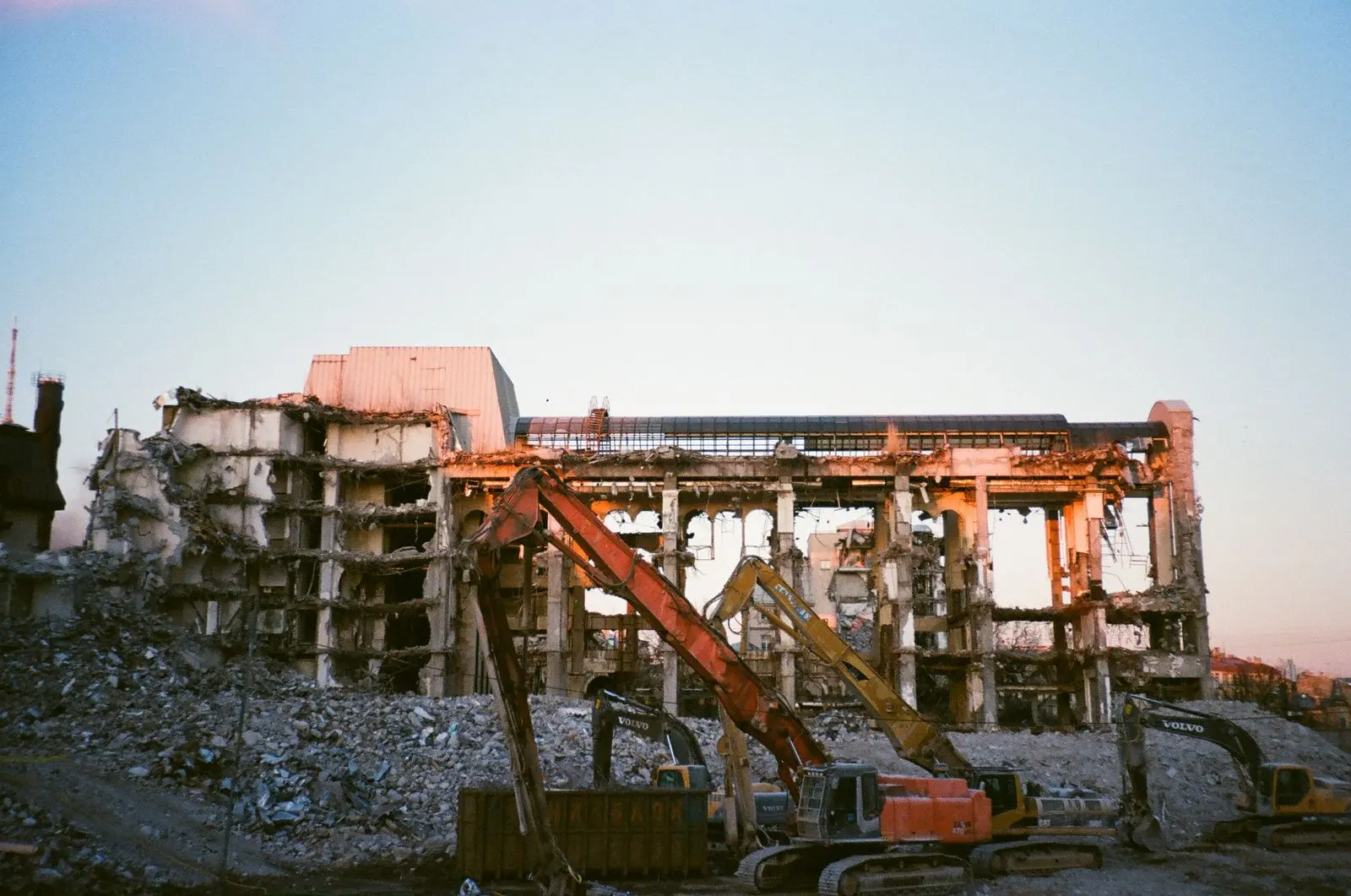
The other half of our Sunnyvale work is commercial. North of Central Expressway the city is full of low tilt-up R&D buildings from the 1970s and 1980s, and the Moffett Park and Peery Park plans are steadily replacing them. We demolish those buildings, break out their parking lots, and strip interiors for new tenants. Downtown on Murphy Avenue the work is smaller and slower, gutting restaurants and shops beside some of the oldest commercial walls in the city.
Typical demolition jobs
Different parts of Sunnyvale produce different kinds of demolition work. The jobs below describe what typically comes up in four of the neighborhoods and districts we cover, and why. They are examples of the work, not case studies, and every real job starts with its own walk-through.
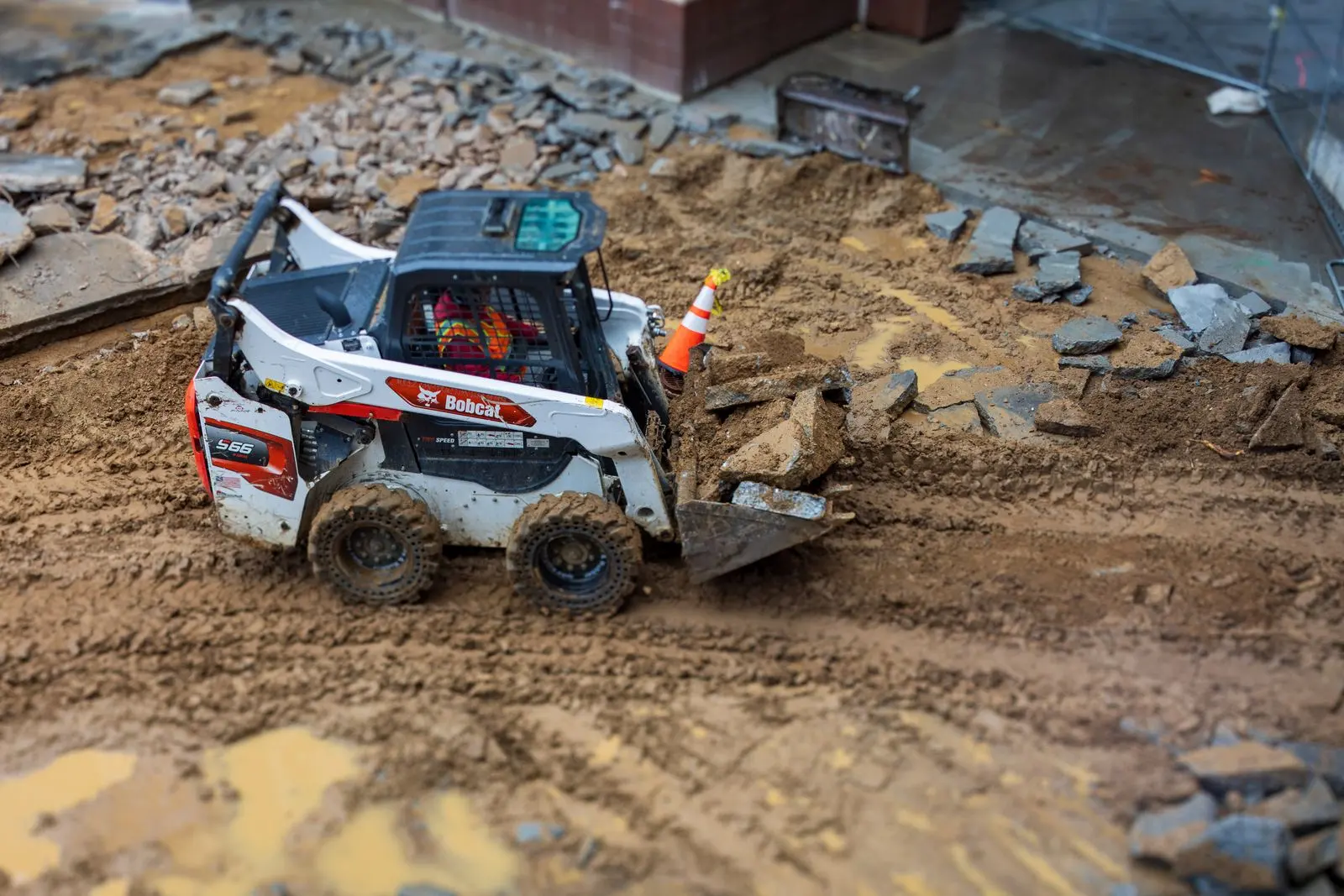
West Sunnyvale homes draw buyers for the schools, and many buyers rebuild rather than remodel. A typical Cherry Chase teardown removes a single-story house, its slab and the old driveway, then leaves a graded pad. Zoning overlays on some Eichler blocks decide what can replace it.
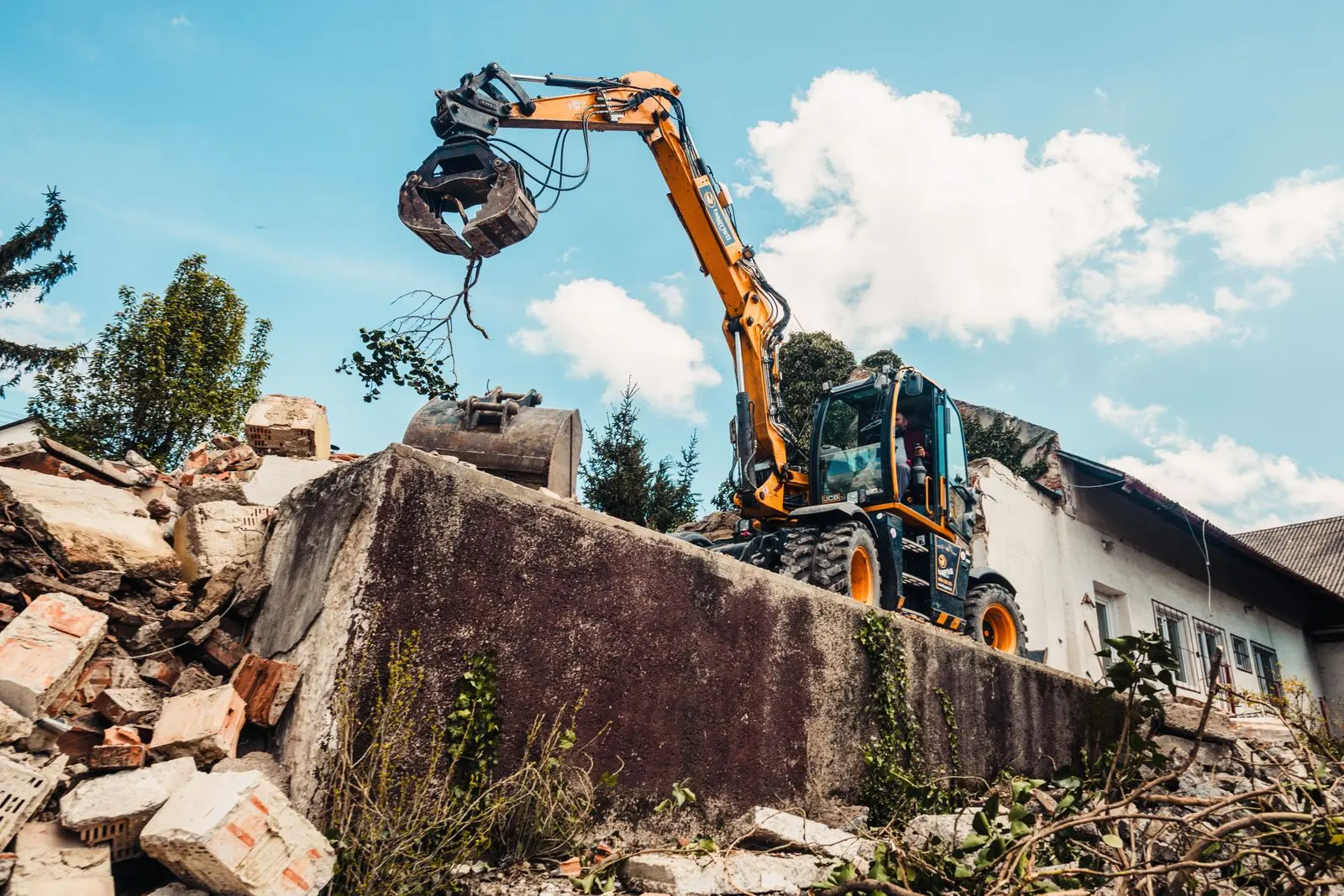
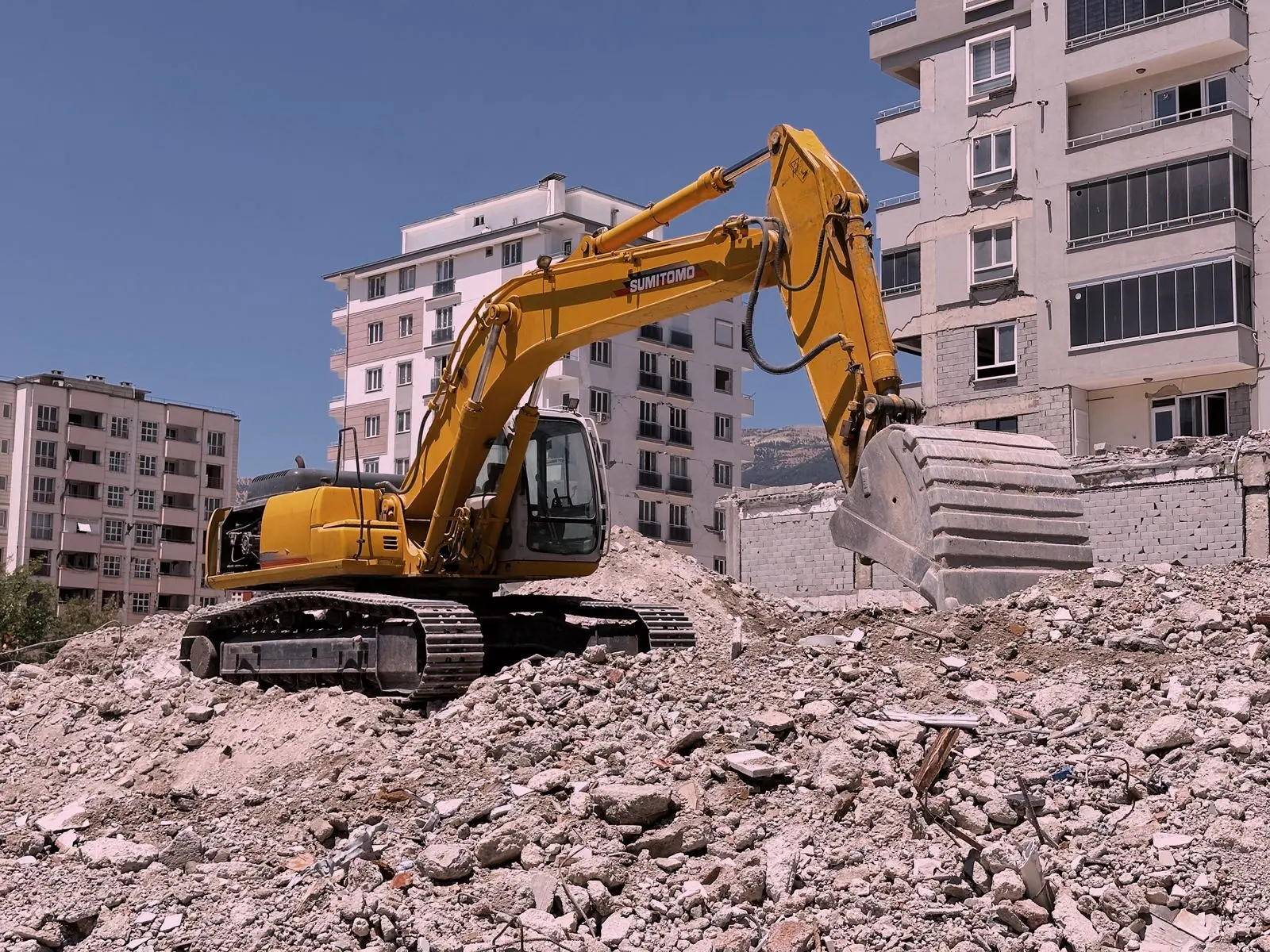
Moffett Park is changing under its specific plan, and older single-story R&D buildings are giving way to new campuses. These jobs mean tilt-up concrete panels, large asphalt lots, and lab spaces that need closure before demolition. The concrete and asphalt usually leave the site for recycling.
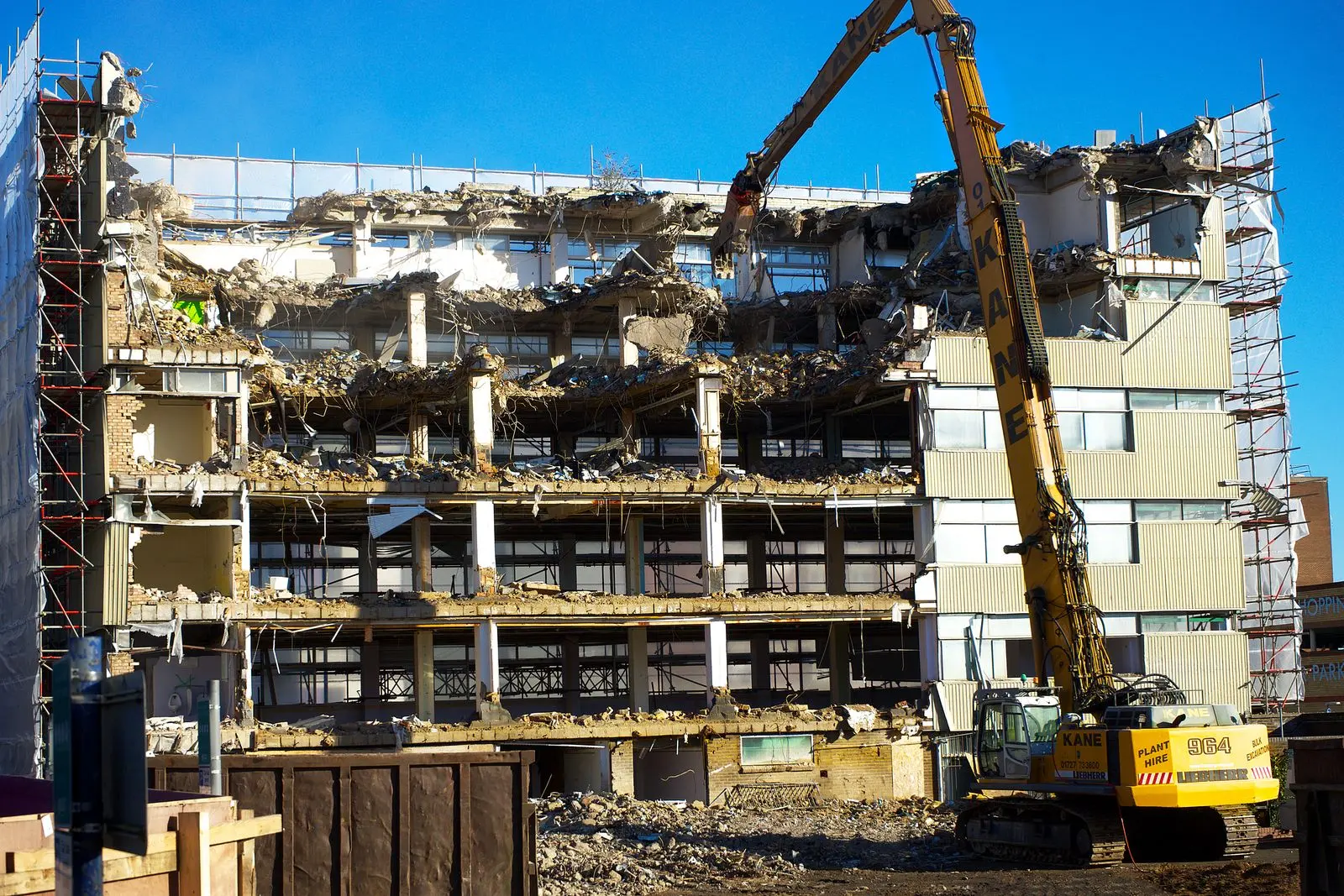
Turnover on and around Murphy Avenue means kitchens and retail interiors get gutted for the next tenant. The buildings are old and share walls, so the work is mostly by hand, with debris moved out through narrow back doors and alleys during set hours.
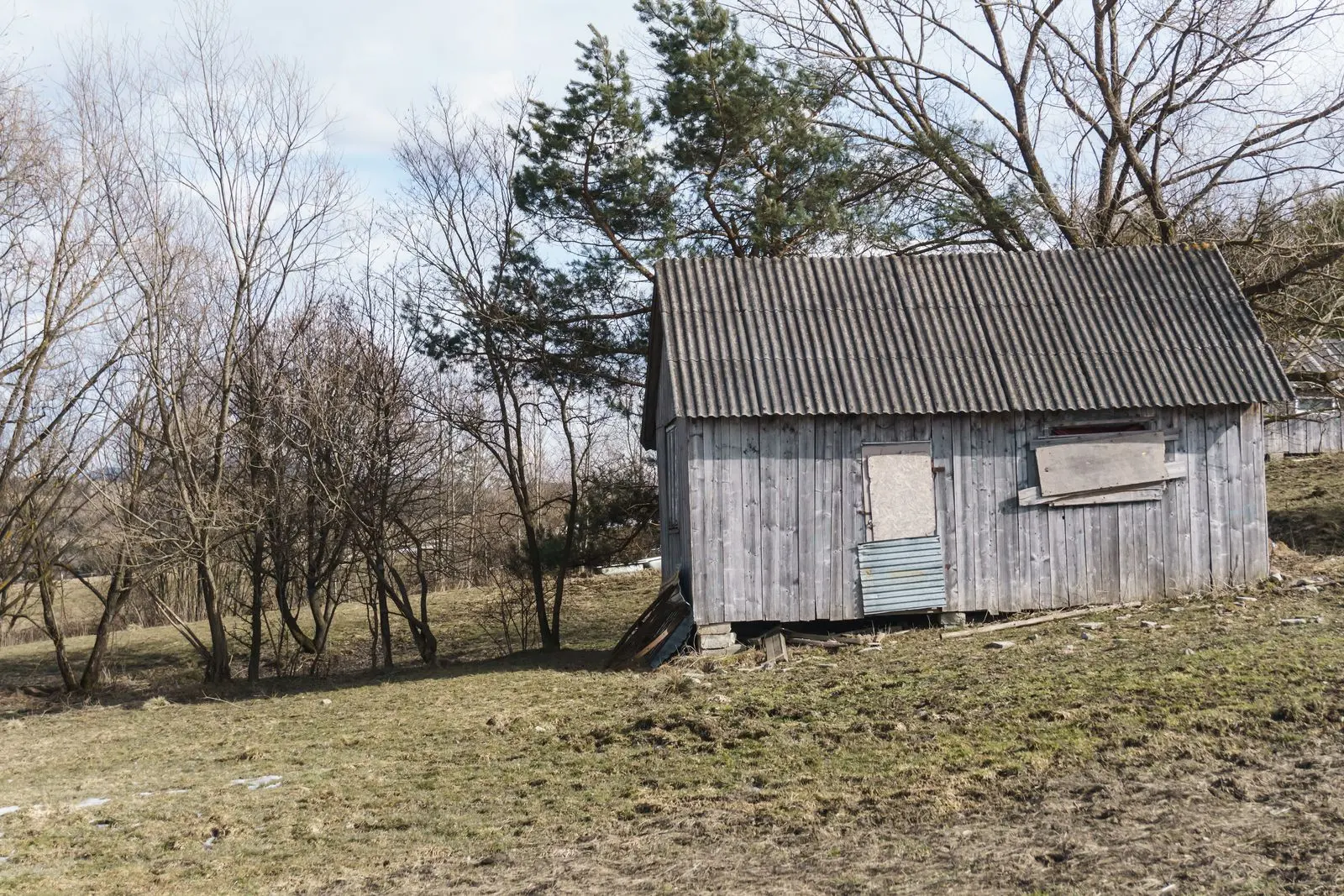
South Sunnyvale near the Cupertino line sees steady full teardowns of 1950s and 1960s ranch homes. Owners clear the whole lot, including detached garages, patios and old pools, so the new two-story plan starts from bare, compacted soil.
Know before you demolish
Under Regulation 11, Rule 2, the Bay Area Air Quality Management District has to hear about most demolitions before they start, and an asbestos survey backs up that filing. That applies even when the survey comes back clean. We order the survey early, get any abatement done by a certified abatement contractor, and file the notice so the city permit is not held up.
Ask About Your Site
What a Sunnyvale demolition includes
The excavator day is the short part. Most of a Sunnyvale teardown is the paperwork and prep before it, and the cleanup afterward decides whether your builder can start on schedule. We run every piece below as a single job, so one crew lead is your contact from the first walk-through to the final sweep.
How it works
Every Sunnyvale job follows the same three stages. The order matters, because the city, the air district and PG&E each need their piece done before the next one can start. Skipping ahead is what causes most delays.
01
Once the form comes in, a crew lead gets in touch within a day, asks what photos or plans exist, and books a time on site. The written scope that follows spells out what comes down, what stays, and what moves the price.
02
We order the asbestos survey, schedule any abatement with a certified contractor, file the air district notice and the Sunnyvale permit, and request PG&E cutoffs plus the city water and sewer disconnects.
03
The structure comes down, debris is sorted so concrete, metal and wood can be recycled, footings and flatwork are removed, and the lot is rough graded. We finish with the paperwork the city needs to close the permit.
The housing stock in Sunnyvale is mostly wood frame on slab or shallow perimeter footings. Eichlers in neighborhoods like Cherry Chase and Fairbrae sit on concrete slabs with radiant heating pipe cast inside, and those slabs break up differently than a plain ranch slab. Older homes in Washington Park and around downtown are on raised foundations with crawl spaces. Each type changes the equipment we bring and how much concrete leaves the site.
Sunnyvale's Community Development Department runs demolition permits through its Building Safety Division. Before the city signs off on a full teardown, the Bay Area Air Quality Management District has to be notified under its Regulation 11, Rule 2, and that notice depends on an asbestos survey. If the survey finds asbestos in floor tile, drywall mud, stucco or duct wrap, a certified abatement contractor removes it first. We set that up and keep the paperwork straight.
Some Sunnyvale Eichler tracts carry a single-story overlay in the zoning code, which limits what can be rebuilt. If your plan is a two-story home, confirm the zoning with planning before you commit to demolition. Protected trees, historic properties near Murphy Avenue, and the city's construction and demolition debris recycling rules can also add steps. We check each of these when we walk the property.
Two teardowns on the same Sunnyvale block can land far apart on price, which is why there is no rate sheet here. Square footage matters, but so does what is under the house. A thick Eichler slab with radiant tubing, a second slab under an old garage conversion, or a buried oil tank all add hours and truck loads. The asbestos survey result is often the single biggest swing, since abatement is a separate trade with its own cost.
Access is the next driver. Most Sunnyvale lots are flat with a straight driveway, which helps. Tight side yards, overhead PG&E lines, a neighbor's fence on the property line, or trees the city wants protected all slow the work. On commercial jobs the drivers shift to building size, roof and floor materials, lab or hazardous materials closure, and how much asphalt and concrete has to be broken out and recycled.
The cleanest way to get a real number is to describe the job in the quote form. We follow up, ask for photos or plans, and walk the site before giving you a written scope and price.
Sunnyvale service areas
We work in every part of Sunnyvale, from the ranch house blocks of Ponderosa Park and Serra Park in the south to the R&D districts near Highway 237. Pick your neighborhood below to see what kind of demolition work usually comes up there, what the lots are like, and which permit and utility steps apply.
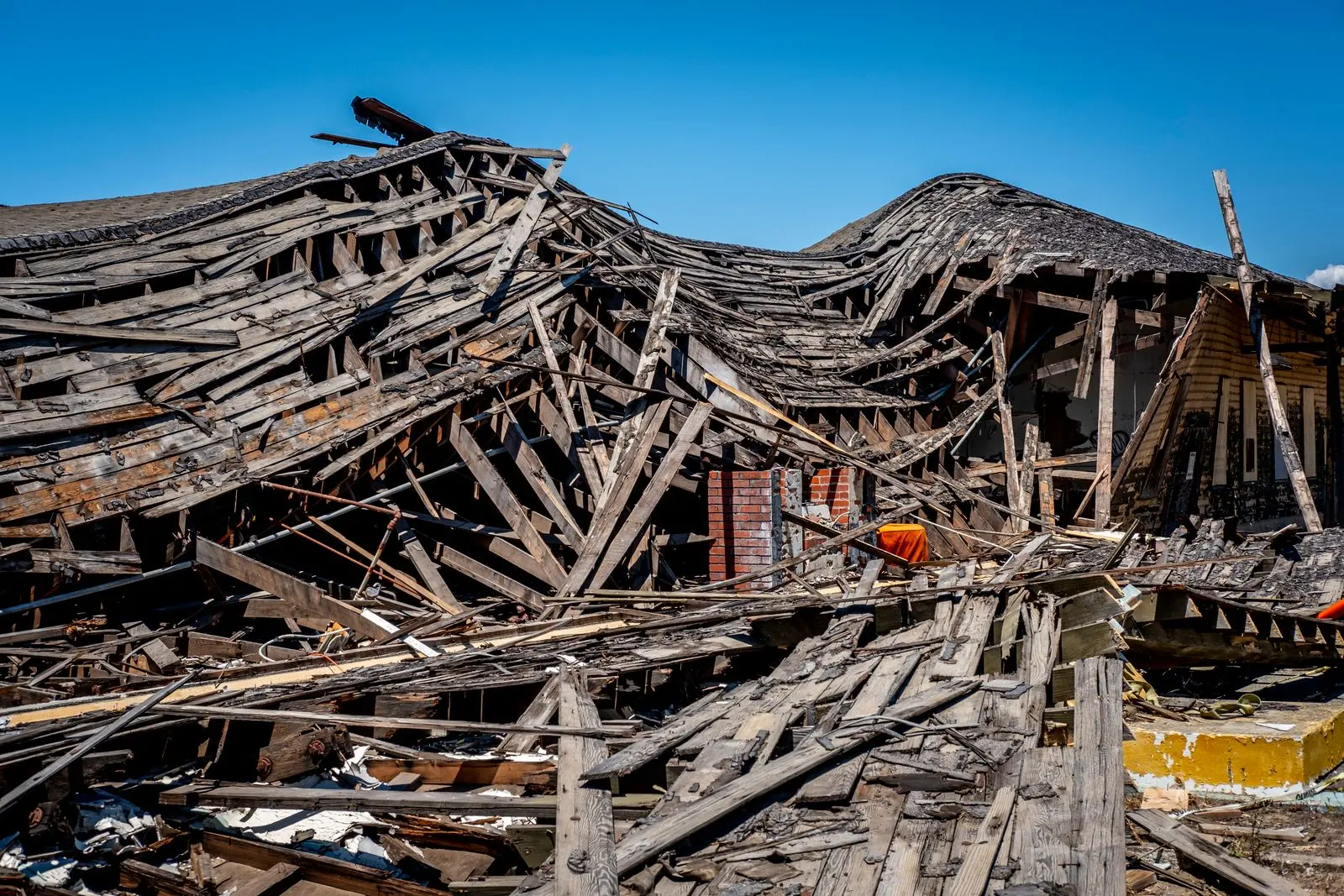
City of Sunnyvale
Ranch homes where most owners remodel. Kitchen and bath tear-outs, interior wall removal and old backyard pools filled in or taken out.
Ponderosa Park demolition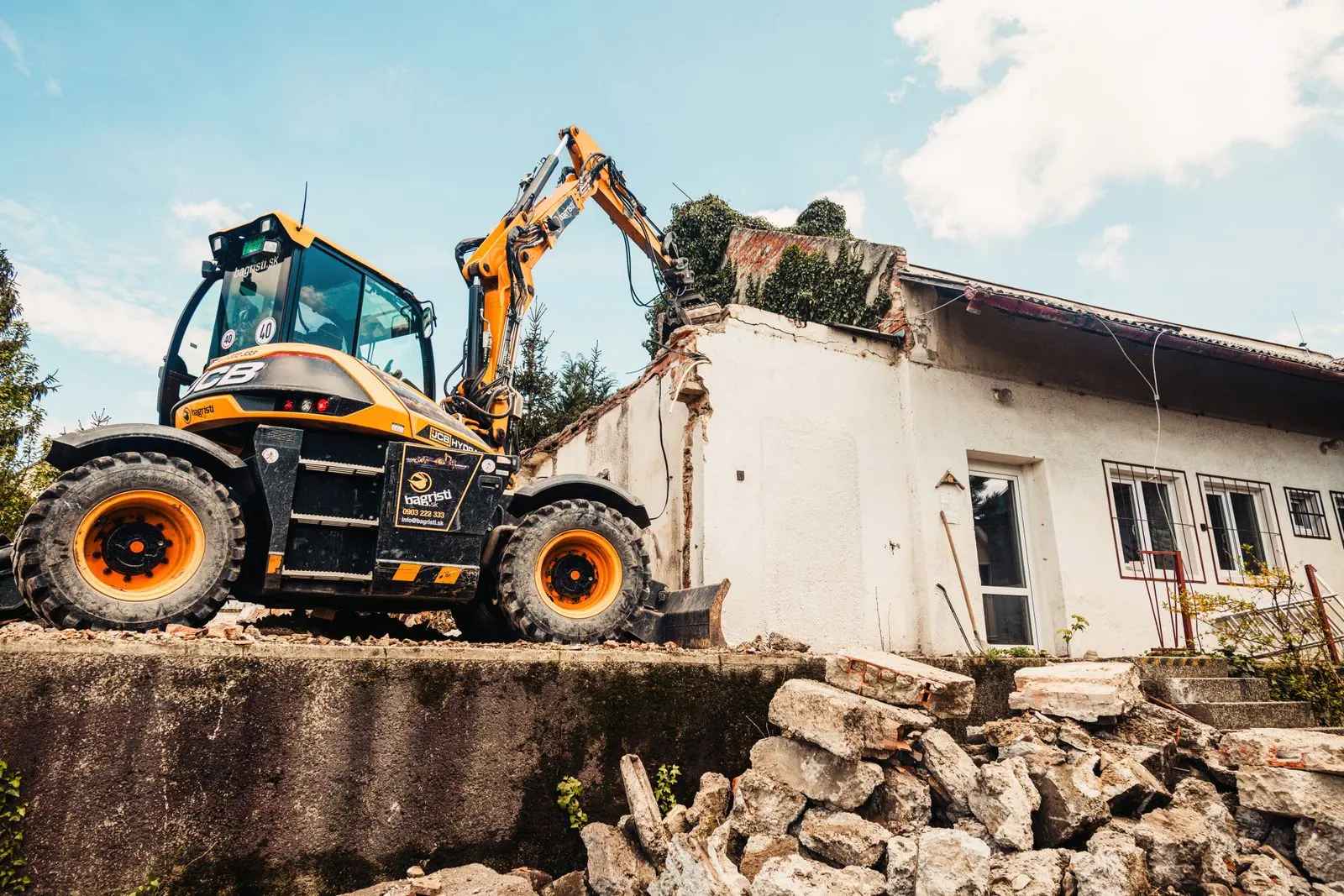
City of Sunnyvale
Southeast Sunnyvale by the Santa Clara line. Sheds, workshops, enclosed patios and old additions removed, with the parcel's city confirmed first.
Raynor Park demolition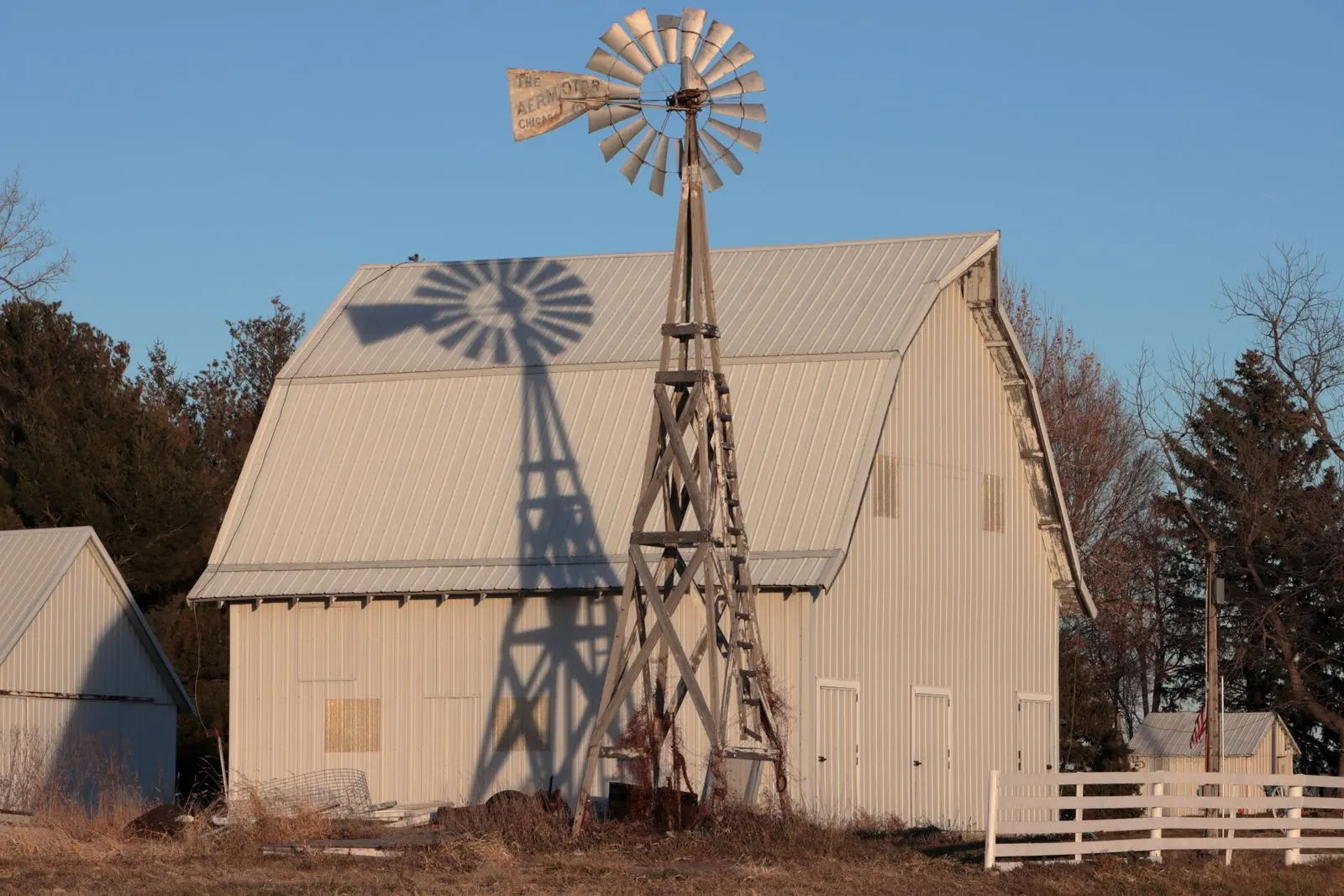
City of Sunnyvale
North Sunnyvale homes near Highway 237. Whole-interior gut-outs for remodels, plus a growing number of full teardowns and backyard clear-outs.
Lakewood Village demolitionDemolition FAQs
It does. Sunnyvale Building Safety issues the demolition permit, and the air district must get notice before any work. Both filings are part of our scope. Planning approval for the new home runs on a separate track that your designer usually handles.
Knocking the house down and loading it out is brief on a typical single-family lot. The calendar is mostly the asbestos survey, any abatement, the permit and the utility disconnects. You get a realistic schedule after the site visit, once the survey results are in.
PG&E disconnects gas and electric service, and the City of Sunnyvale handles the water meter and sewer side. We request those disconnects and coordinate dates so the house is dead and capped before equipment arrives.
A certified abatement contractor removes it before any demolition starts. We do not do abatement ourselves. We schedule the abatement crew, wait for their clearance, then begin. Finding asbestos in an older Sunnyvale house is common and usually just adds a step.
It depends on the zoning. Several Sunnyvale Eichler neighborhoods have a single-story overlay that limits height. Check with the city planning division before you demolish. We can tear the house down either way, but the rebuild plan should be settled first.
Most of it is. State construction waste rules and the city's own requirements push contractors to divert demolition debris from landfill. We sort concrete, asphalt, metal and clean wood on site so it can go to recycling, and we keep the records the city asks for.
Yes. We take down tilt-up R&D buildings, offices and their parking lots, and we strip interiors for new tenants. Larger buildings usually need hazardous materials closure and a utility shutdown plan first, which we coordinate with the owner's consultants.
Demolition quote
Describe the house, building or yard that needs clearing. Expect a phone call or email from our crew within 24 hours with a few questions and a time for a site visit.